
What are the most common inline booth sizes used at the Tampa Convention Center?
The most common sizes are 10x10 and 10x20 feet, fitting the hall's capacity for up to 1,000 10x10 booths in its 200,000 Square Foot space.
Booth strategy, venue coordination, freight control, and show-week delivery across the Tampa market.
ServicesLocationsVenuesEvent TypesBooth TypesIndustriesAboutTampa Trade Show CalendarStart The ProjectCall (813) 939-5242info@exhibithousetampa.comInline booth displays deliver compact, high-impact presence in Tampa's dense exhibit halls, where configurations like 10x10 and 10x20 setups align perfectly with the Tampa Convention Center's capacity for up to 1,000 standard booths across its 200,000 Square Foot floor.
Booth Formats
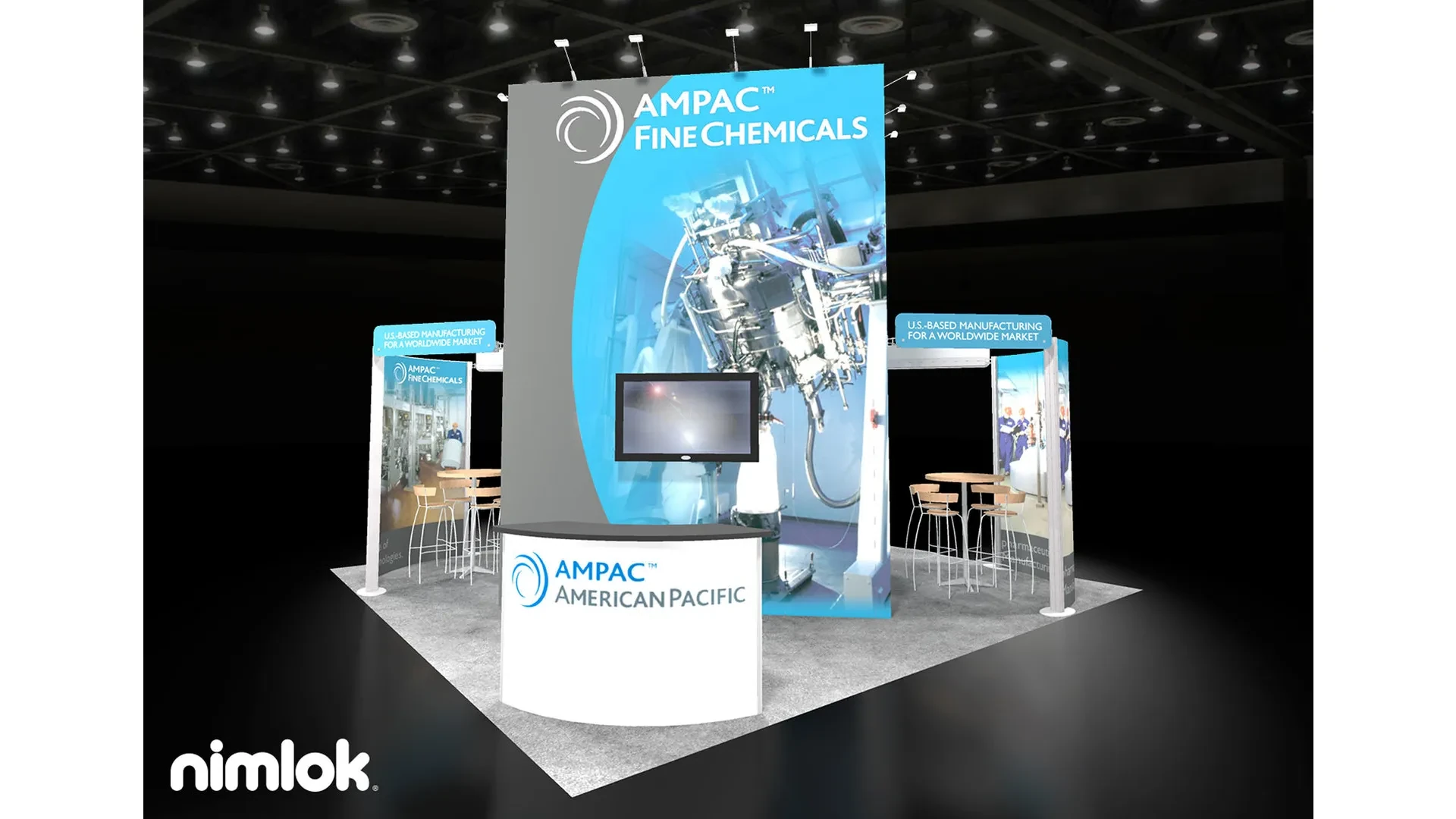
Inline booth displays in Tampa adhere to the industry-standard 10-foot width, with depths of 10 feet for compact 100 Square Foot footprints or 20 feet for expanded 200 Square Foot areas, directly suiting the Tampa Convention Center's exhibit hall that supports up to 1,000 such 10x10 units across its expansive 200,000 square feet. This configuration ensures booths slot into linear rows without encroaching on adjacent spaces, a critical consideration in the convention center's grid-based layouts where precise measurements prevent disruptions during high-traffic shows. Planners targeting the 600,000 Square Foot total facility space must review floor plans early to confirm inline availability amid ballroom transitions and multi-hall configurations.
At the Florida State Fairgrounds, inline setups translate well to venues like the Expo Hall or Entertainment Hall, where spaces scale from 5,000 to 87,000 square feet, allowing rows of 10x10 or 10x20 booths for automotive expos, home shows, or industry trades. The east Tampa location's outdoor-adjacent indoor halls demand weather-resilient framing for inline displays, while the absence of specified ceiling heights prompts conservative height designs under 8 to 10 feet to avoid rigging conflicts. Coordination with the fairgrounds' Event Rentals team clarifies booth numbering and access protocols unique to this expo campus.
Captivating inline booth designs in Tampa leverage vertical space up to the venue's limits, such as the Tampa Convention Center's 30-foot ceilings, using stretch fabric pillars, slatwall panels, and LED counters to draw eyes from aisles teeming with convention-goers. Curved tension structures and hanging signs positioned 8 to 12 feet high create focal points without obstructing sightlines, while matte vinyl graphics resist glare from waterfront windows. Exhibitors in Water Street or Channel District events benefit from modular kits that disassemble into cases under 50 pounds for easy transport to downtown load-in docks.
For Florida State Fairgrounds applications, robust carpeted platforms and lockable storage counters withstand heavier foot traffic in consumer-oriented shows, incorporating branded truss accents for aisle-facing impact. Color schemes echoing Tampa Bay blues and urban grays enhance memorability, with integrated shelving for literature stacks and charging hubs drawing prolonged interactions. Pre-show mockups confirm fit within inline constraints, ensuring no protrusion into neighboring 10-foot zones.
Tampa venues like the Tampa Convention Center provide electric, water, and compressed-air hook-ups directly in the exhibit hall, necessitating advance orders through the show's service contractor to power inline booths' lighting, monitors, and interactive kiosks without delays. A standard 10x10 inline setup typically draws 20 amps for overhead spots and device clusters, while 10x20 expansions may require 40-amp circuits positioned at booth corners to minimize cable runs across high-traffic floors. Planners must map utility pads against booth assignments, especially in the 200,000 Square Foot hall where shared drops serve row segments.
At the Florida State Fairgrounds' varied halls, utility availability varies by space, prompting confirmation via the venues section for compressed air suited to pneumatic demos in automotive or manufacturing inline booths. Florida's Right to Work status allows exhibitor-appointed crews for basic connections post-venue approval, but house electricians handle high-voltage feeds to comply with safety codes during peak show hours.
Inline booth installation in Tampa follows tight move-in schedules at the convention center, where union-managed drayage delivers crated elements to precise grid coordinates amid the waterfront facility's multiple loading bays. Crews assemble frames starting from back walls, securing tension graphics last to avoid aisle blockages, with full setups achievable in 4 to 6 hours for 10x20 configurations using Right to Work labor flexibility. Dismantle reverses this under move-out curfews, prioritizing flat-pack efficiency for outbound trucking.
Florida State Fairgrounds setups leverage the expo campus's promoter portal for slotting inline rows into TECO Arena or Entertainment Hall, where equestrian-adjacent access supports forklift deliveries for heavier modular pieces. Coordination with Event Rentals ensures no conflicts with catering or outdoor transitions, allowing exhibitors to vacate within 8-hour windows while preserving booth integrity for multi-show tours.
Downtown Tampa's convention core, encompassing Water Street, Channel District, and Harbour Island, positions inline booths centrally in programs drawing national crowds to the 600,000 Square Foot Tampa Convention Center. Planners navigate riverfront load-ins with covered docks, timing arrivals to avoid peak hotel overflows, while Westshore and Rocky Point airport venues suit smaller inline configs for sales roadshows in South Tampa hotels. East Tampa's fairgrounds corridor, including Brandon and Ybor City edges, hosts large consumer events where 10x10 rows fill 87,000 Square Foot halls efficiently.
Saddlebrook Resort's 95,000 square feet north of Tampa offers boutique inline opportunities in flexible ballrooms, contrasting the high-density grids of core facilities. Venue-specific metrics like the convention center's 3,600 theater capacity or 2,080 banquet setup guide hybrid events pairing inline exhibits with sessions, demanding smooth transitions coordinated via Visit Tampa Bay's meetings hub.
Cross-cluster shipping consolidates at central handlers, reducing costs for exhibitors rotating between downtown waterfront, airport belts, and fairgrounds expos.
Inline booth costs in Tampa scale with aluminum extrusion frames at $3,000 to $7,000 for 10x10 kits including SEG fabric and LED edges, factoring venue drayage at $150 per hundredweight for convention center hauls. Recyclable composites and reusable counters offset labor at $75 hourly in Florida's open-market environment, with total turnkey budgets hitting $10,000 for 10x20 installs complete with utilities. Long-term savings accrue from modular designs touring multiple Tampa shows without redesigns.
Value-driven choices like dye-sublimated banners and portable vac-form counters balance durability against fairgrounds' rugged demands, while premium acrylic risers elevate products in convention hall lighting. Early RFP alignment via Visit Tampa Bay's facilities search secures competitive bids attuned to 200,000 Square Foot hall realities.
Inline booths in Tampa's 1,000-unit halls track success through dwell time metrics, boosted by interactive touchscreens and product pedestals that convert 15% higher in linear rows versus open islands. Data capture via badge scanners at counters refines follow-ups post-convention center events, where 30-foot ceilings amplify projection mapping for evening receptions. Adjustments based on aisle traffic patterns, verified from prior show maps, position high-engagement zones facing main thoroughfares.
Fairgrounds consumer shows leverage inline footprints for raffle wheels and sampling stations, driving 20-30% footfall uplift in 5,000 Square Foot segments. Post-event audits against venue capacities like TECO Arena inform iterative designs for recurring Tampa Bay programs.
Buyer Questions
The most common sizes are 10x10 and 10x20 feet, fitting the hall's capacity for up to 1,000 10x10 booths in its 200,000 Square Foot space.
As a Right to Work state, Florida supports open-market labor, but setups require coordination with venue house services and show organizers for utilities and compliance.
The Tampa Convention Center provides electric, water, and compressed-air hook-ups in the exhibit hall; confirm specifics for Florida State Fairgrounds halls through Event Rentals.
Yes, modular frames adapt to downtown convention core densities, Westshore conferences, and fairgrounds expos, with designs under 10-foot heights for universal fit.
Typical installs take 4 to 6 hours with pre-assembled components, aligning with move-in windows at the convention center and fairgrounds.
Account for waterfront drayage at the convention center, airport proximity in Westshore, and heavy-duty handling at the Florida State Fairgrounds.