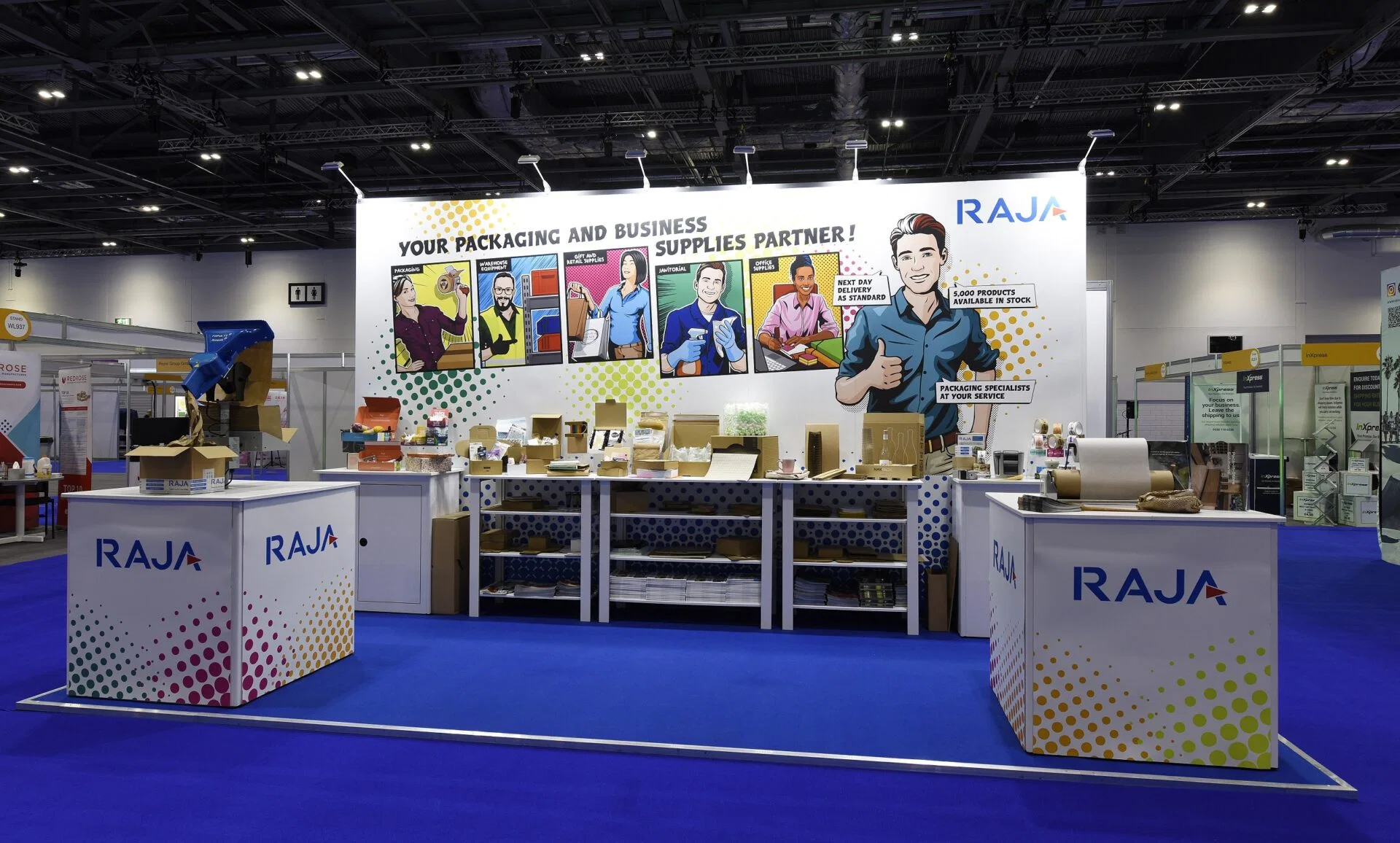
Planning focusConfirming exhibit hall capacities like the Tampa Convention Center's 200,000 square feet for up to 1,000 booths to match retail display footprints.
Local requirementSecuring venue utilities including electric, water, and compressed-air for powering interactive ecommerce demos and lighting product arrays.
Execution detailNavigating fairgrounds venues from 5,000 to 87,000 square feet for consumer retail events with multi-hall and outdoor configurations.
Selecting Venues for Retail Product Showcases
The Tampa Convention Center stands as the premier choice for retail and ecommerce trade shows due to its 600,000 square feet of versatile meeting and convention space, with the exhibit hall's 200,000 square feet explicitly designed to accommodate up to 1,000 10'x10' booths, enabling brands to scale from intimate apparel collections to expansive home goods arrays complete with tiered shelving, video walls, and sampling stations that thrive under the hall's 30-foot ceiling height and integrated utilities. Retail planners coordinate booth assignments through Visit Tampa Bay's meetings hub, which offers RFP support and facilities search tools to align exhibit footprints with buyer traffic patterns in this waterfront setting surrounded by Water Street hotels and Channel District hospitality.
For events emphasizing consumer engagement, the Florida State Fairgrounds delivers practical large-format options, where planners select from indoor venues like the Expo Hall and TECO Arena up to 87,000 square feet alongside outdoor areas starting at 5,000 square feet, perfect for retail pop-ups, live merchandising contests, and ecommerce fulfillment demos that leverage the site's east Tampa location for accessible logistics from Brandon and Riverview. Event rental processes route through dedicated portals, requiring exhibitors to specify booth dimensions and power needs early to integrate with the fairgrounds' multi-venue workflow.
Saddlebrook Resort, positioned north of Tampa, contributes over 95,000 square feet of flexible event space suitable for smaller retail sales kickoffs or ecommerce partner summits, where booth setups transition smoothly into resort ballrooms for private buyer dinners amid pools and spa amenities, all while adhering to the venue's planning support without predefined labor restrictions.
Booth Logistics in Tampa's Convention Districts
In the downtown convention core encompassing Downtown Tampa, Water Street, Channel District, Harbour Island, and Ybor City, retail exhibitors manage booth logistics around the Tampa Convention Center's show-floor infrastructure, including two dedicated show offices and four cafes that support extended setup periods for intricate retail displays featuring modular fixtures, LED-lit product podiums, and interactive touchscreens for ecommerce order capture. Freight coordination accounts for riverfront load-in paths, ensuring timely delivery of crated merchandise and hanging signs within the 200,000 Square Foot hall's booth grid.
Westshore, Rocky Point, and South Tampa's airport-adjacent conference hotels facilitate overflow booth storage and pre-builds for retail shows spilling from the convention center, where planners confirm drayage routes and I&D timelines to synchronize with high-volume roadshows and sales events, minimizing downtime for live product interactions.
East Tampa's fairgrounds corridor, including Brandon and Plant City access, optimizes logistics for consumer retail expos at the Florida State Fairgrounds, where multi-hall configurations from 5,000 to 87,000 square feet allow phased installations of outdoor demo tents alongside indoor booth villages, coordinated via the venue's event rentals team to handle peak crowd flows.
- Riverfront and airport load-in sequencing for downtown and Westshore venues.
- Multi-hall phasing at fairgrounds for retail consumer shows.
- Early drayage confirmation via exhibitor manuals.
Utility Management for Interactive Retail Booths
Retail and ecommerce booths at the Tampa Convention Center benefit from pre-installed electric, water, and compressed-air hook-ups across the 200,000 Square Foot exhibit hall, critical for powering high-wattage lighting on fashion runways, refrigerated units for beauty samples, or pneumatic mechanisms in gadget demos, with planners verifying amperage and placement through venue planning sections to prevent overloads during peak buyer hours.
Fairgrounds venues require similar utility scouting for spaces up to 87,000 square feet, where ecommerce brands deploy charging stations for mobile POS systems and misting stations for fragrance launches, integrating with the site's event rental FAQs to specify connections ahead of promoter portal submissions.
In Right to Work Florida, exhibitors appoint utility specialists while respecting house-managed infrastructure at venues like the convention center, ensuring compressed-air lines support air-brushed cosmetics stations or inflated product replicas without conflicting with on-floor cafes and offices.
Labor Coordination in a Right-to-Work Market
Florida's constitutional Right to Work provision establishes an open-market labor environment for Tampa retail events, enabling exhibitors to select I&D contractors for booth erections at the Tampa Convention Center while confirming final conditions through the exhibitor manual, venue operations, and show organizer rules that govern house services like utilities in the 200,000 Square Foot hall.
At the Florida State Fairgrounds, labor planning follows event rentals and catering workflows, where retail setups in halls up to 87,000 square feet proceed under venue-managed oversight, allowing flexible crews for overnight builds of interactive retail zones as long as they align with promoter requirements and FAQ guidelines.
Hotel properties such as Seminole Hard Rock with 800 guestrooms support sponsor hospitality alongside booth labor for east-side events, focusing public meetings sections on space and amenities rather than restrictive rules, reinforcing the need for early coordination across Tampa's venue clusters.
- Verify labor via exhibitor manual and venue team.
- Align with house utilities and show offices.
- Flexible in Right to Work baseline.
Offsite Activations and Reception Planning
Retail exhibitors extend convention center footprints to nearby special venues like the Straz Center for the Performing Arts in downtown Tampa, ideal for gala receptions following exhibit hall closes, where Broadway-scale theaters host sponsor dinners with product giveaways, coordinated adjacent to the 600,000 Square Foot facility's ballroom transitions.
The Tampa Museum of Art offers culture-infused offsites near the convention core, suitable for executive previews of ecommerce collections amid Greek antiquities and modern works, providing intimate settings for high-end retail buyer negotiations post-booth visits.
Seminole Hard Rock Hotel & Casino Tampa enhances east-side retail programs with its AAA Four Diamond amenities, including 245,000 square feet of gaming for nightlife-tied sponsor events, complementing fairgrounds expos with hospitality blocks for 800 rooms and suites.
Scalable Exhibits Across Tampa Venue Clusters
Downtown's convention core supports enterprise retail trade shows in the Tampa Convention Center's massive hall, scaling to 1,000 booths with 30-foot ceilings for hanging banners over apparel districts or electronics pavilions, backed by Visit Tampa Bay's RFP tools for precise space allocation.
Westshore and airport venues handle mid-tier ecommerce roadshows with efficient load-ins, transitioning booth tech to hotel ballrooms for hands-on sessions, leveraging the area's conference-hotel density without downtown congestion.
East Tampa fairgrounds excel in public consumer retail events, utilizing 87,000 Square Foot arenas for hybrid online brand activations that spill outdoors, ensuring logistics cover the corridor from Ybor City through Brandon for broad attendance.
- Enterprise scale at convention center.
- Mid-tier at Westshore hotels.
- Consumer volume at fairgrounds.