
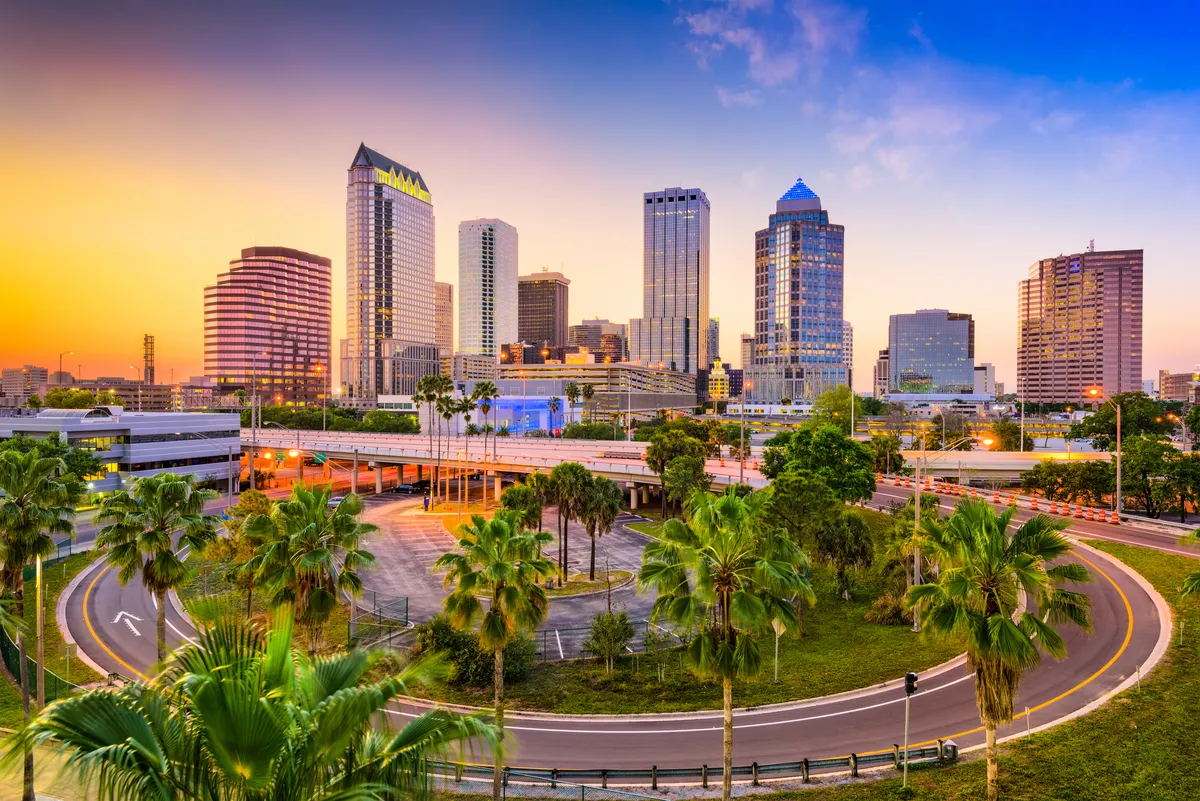
Tampa, FL
Downtown, Westshore, waterfront, and suburban corridors all matter at once. The plan has to flex across more than one venue cluster.
Booth strategy, venue coordination, freight control, and show-week delivery across the Tampa market.
ServicesLocationsVenuesEvent TypesBooth TypesIndustriesAboutTampa Trade Show CalendarStart The ProjectCall (813) 939-5242info@exhibithousetampa.comAuthoritative planning resources for exhibitions across the Tampa Convention Center, downtown districts, Westshore corridor, fairgrounds, and adjacent Gulf Coast markets in Florida’s Right to Work environment.
Our Markets
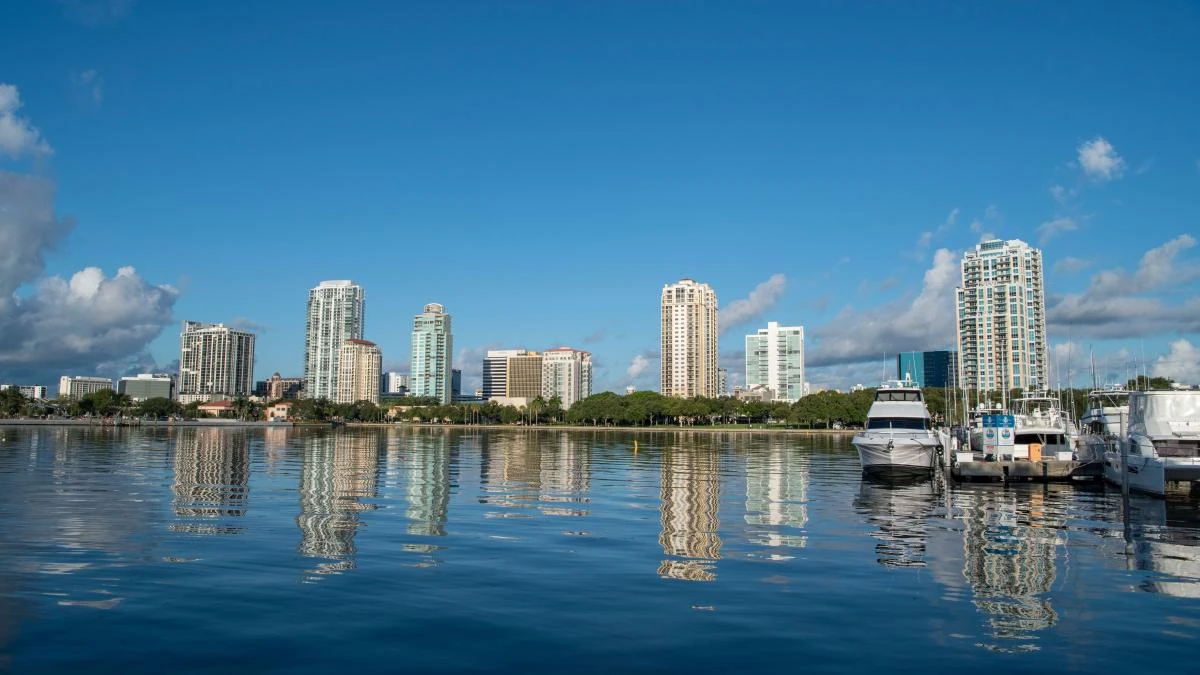
The Tampa Bay region serves as a major hub for trade shows and conventions, led by the Tampa Convention Center. This waterfront facility totals 600,000 square feet of meeting and event space, including a 200,000 Square Foot exhibit hall that accommodates up to 1,000 10'x10' booths. Planners utilize these specifications to develop floor plans, utility layouts, and attendee flows while accounting for waterfront access and integrated support services such as two show offices and on-hall cafes.
This locations index spans 38 distinct Tampa Bay and Gulf Coast sites, encompassing the downtown convention core, Water Street developments, Channel District, Harbour Island, Ybor City, Westshore hotel belt, Rocky Point, and South Tampa neighborhoods. Coverage also extends to the Florida State Fairgrounds corridor, Pasco County resorts, Pinellas County waterfront properties, and I-4 cities where demand consistently routes through Tampa coordination channels. Each cluster presents differentiated operational realities for booth logistics, load-in procedures, and Ballroom to Exhibit transitions.
Florida’s status as a Right to Work state supports an open-market labor baseline. Individual venues maintain house-service functions, utility infrastructures, and event-specific rules that require confirmation with show organizers and facility teams. Early alignment on exhibitor-appointed contractor scopes, freight handling, and venue-managed services helps prevent disruptions across airport-adjacent, waterfront, and suburban resort settings.
The Tampa Convention Center forms the cornerstone of downtown exhibition activity with its expansive scale and direct waterfront positioning. Planners reference its 200,000 square feet of dedicated exhibit space when designing large-scale industry events that run concurrently with meetings and banquets in the remaining facility areas.
Operational planning in this district focuses on precise scheduling for waterfront load-in, utility hook-ups for electric, water, and compressed air, and orderly transitions between session rooms and the show floor. Coordination between exhibitor-appointed contractors, general service contractors, and venue operations ensures compliance with show manuals and infrastructure limits.
Adjacent developments along Water Street enhance connectivity, supplying hotel inventory and mixed-use zones that support extended attendee engagement without relocating core exhibit activities.
These contiguous downtown districts complement the convention center through modern hotel properties and flexible venues suited for hybrid conferences that incorporate exhibit components. Their proximity reduces transit times between programming and product displays.
Ballroom-to-exhibit transitions demand detailed mapping of attendee paths, material handling routes, and setup timelines. Planners address urban access constraints and multi-property integration by reviewing event-specific guidelines well in advance of move-in.
The districts’ waterfront orientation introduces distinct load-in realities that benefit from structured coordination with facility teams responsible for dock scheduling and site security.
Westshore and Rocky Point properties gain advantage from immediate proximity to Tampa International Airport, streamlining arrival for national exhibitors and time-sensitive freight. Hotel-based venues in this belt frequently host mid-sized exhibitions or function as headquarters hotels for downtown-centered shows.
Airport load-in realities and drayage coordination form central planning elements, particularly when aligning delivery windows with show schedules and venue receiving docks. These locations support both independent trade shows and supplemental exhibit programs tied to larger conventions.
The business corridor setting allows for efficient integration of corporate meetings with product displays, provided planners confirm utility capacities and contractor protocols with each property.
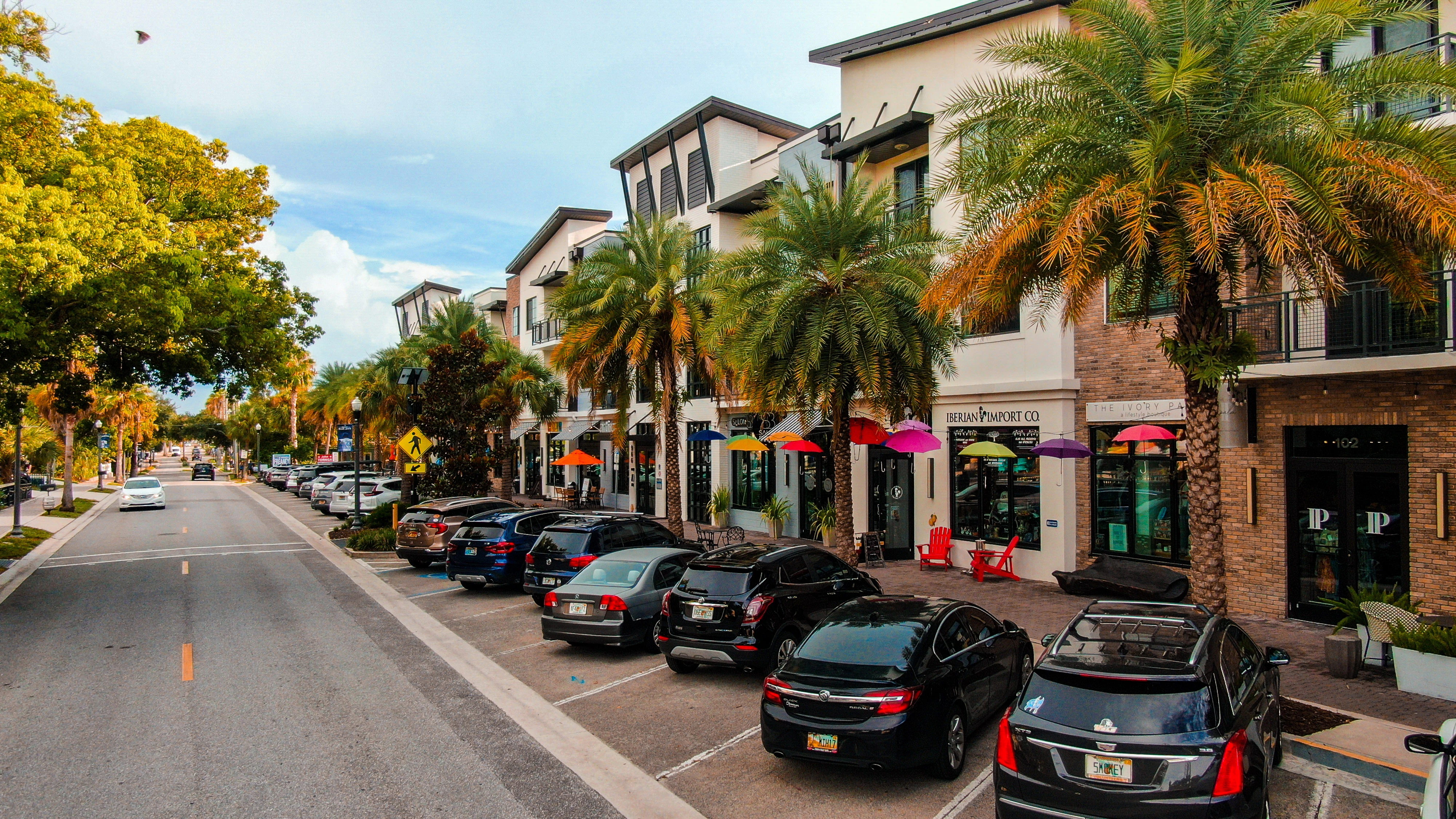
Historic Ybor City combined with the lifestyle-oriented SoHo, Hyde Park, and Davis Islands districts accommodates specialty trade shows, consumer expos, and themed events that leverage distinctive local character. These settings differentiate exhibitions through unique ambiance while remaining within the Tampa logistics network.
Booth logistics in these neighborhoods require attention to tighter urban streets, permitting processes, and coordination with private or municipal venue operators. Advance planning mitigates constraints on equipment transport and on-site assembly compared with dedicated convention halls.
Regional coverage ensures events maintain operational links to primary Tampa infrastructure, including labor resources and material handling support that route through the broader market.
The Florida State Fairgrounds supplies a versatile range of indoor and outdoor venues sized from 5,000 to 87,000 square feet, including the Expo Hall, TECO Arena, Entertainment Hall, equestrian rings, and open pavilions. This variety supports equipment-heavy displays, consumer events, and hybrid formats not always feasible downtown.
Planning workflows route through the fairgrounds’ Event Rentals, Catering, and Venues sections, promoting structured dialogue on infrastructure, site rules, and contractor responsibilities. Such processes clarify booth specifications and load-in pathways across the expansive grounds.
Ample parking and east-side positioning facilitate heavy equipment movement and outdoor exhibits while maintaining connections to Tampa’s central coordination channels.
Saddlebrook Resort in Pasco County offers more than 95,000 square feet of flexible event space within a resort environment, appealing to executive conferences that integrate product showcases or small exhibit programs. Its northern location expands options for events seeking campus-style settings.
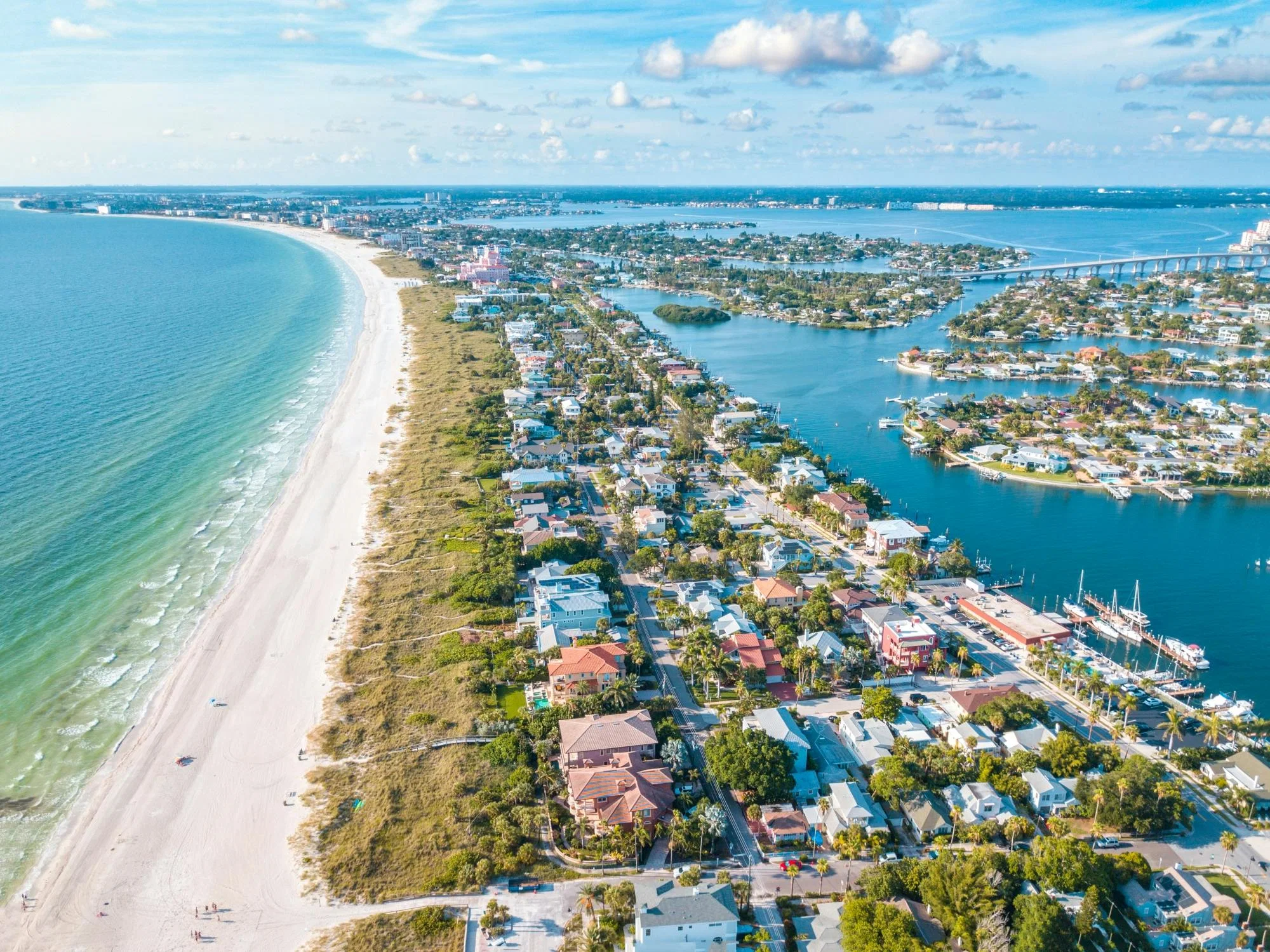
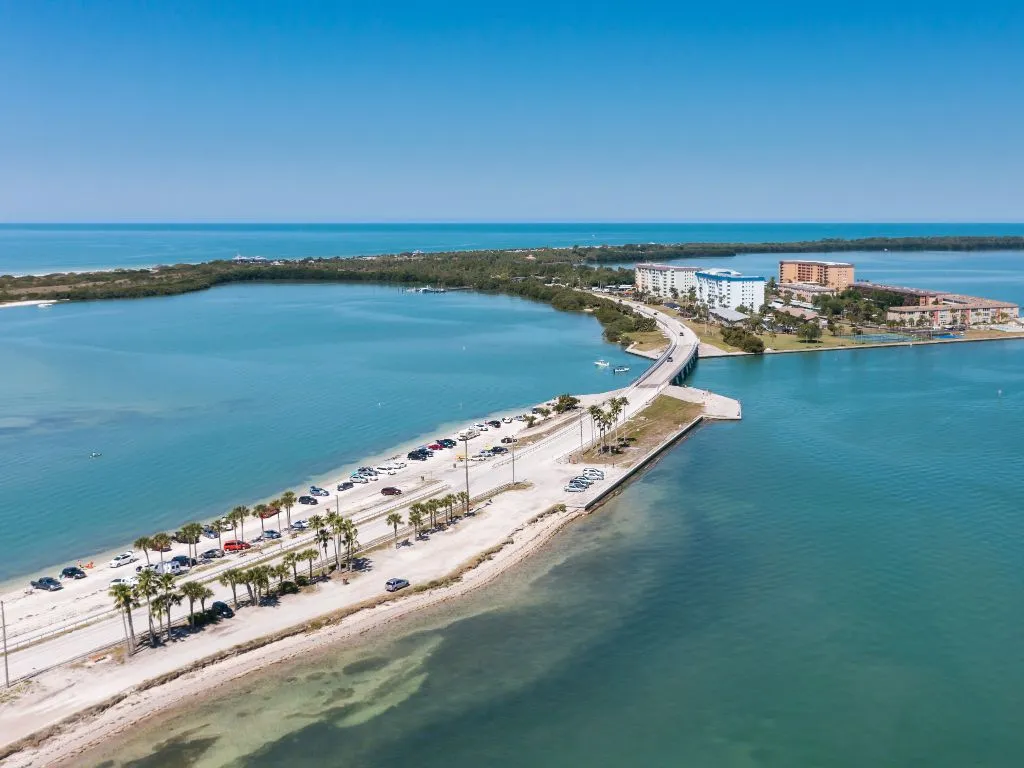
Pinellas County waterfront venues, such as those represented by the Vinoy and Opal Sands, along with Polk County facilities like the RP Funding Center, capture overflow demand from the Tampa core. These properties often utilize Tampa routing for logistics and contractor networks.
Across Hillsborough, Pinellas, Pasco, Polk, Manatee, and Sarasota counties, planners emphasize exhibitor-appointed contractor alignment, venue house services, and show-specific labor rules to maintain consistency regardless of exact site.
Downtown, Westshore, waterfront, and suburban corridors all matter at once. The plan has to flex across more than one venue cluster.
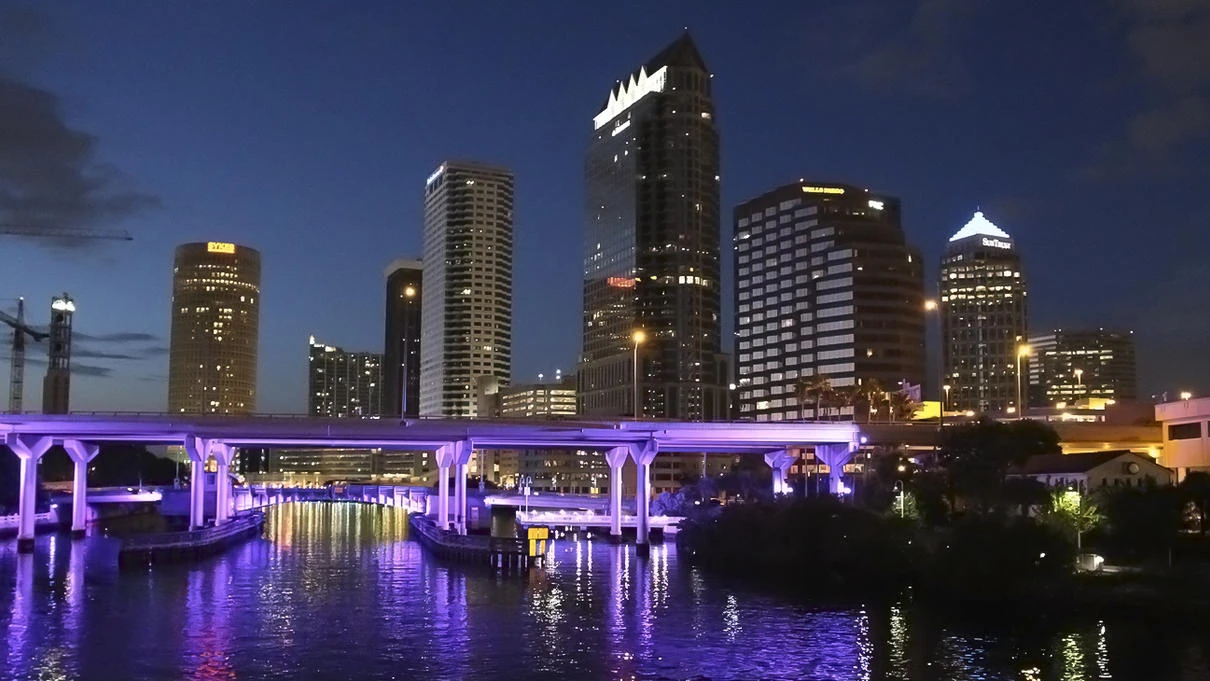
short drives, walkable venue clusters, and tighter curb windows. Peak traffic and limited loading flexibility can shape the whole day.
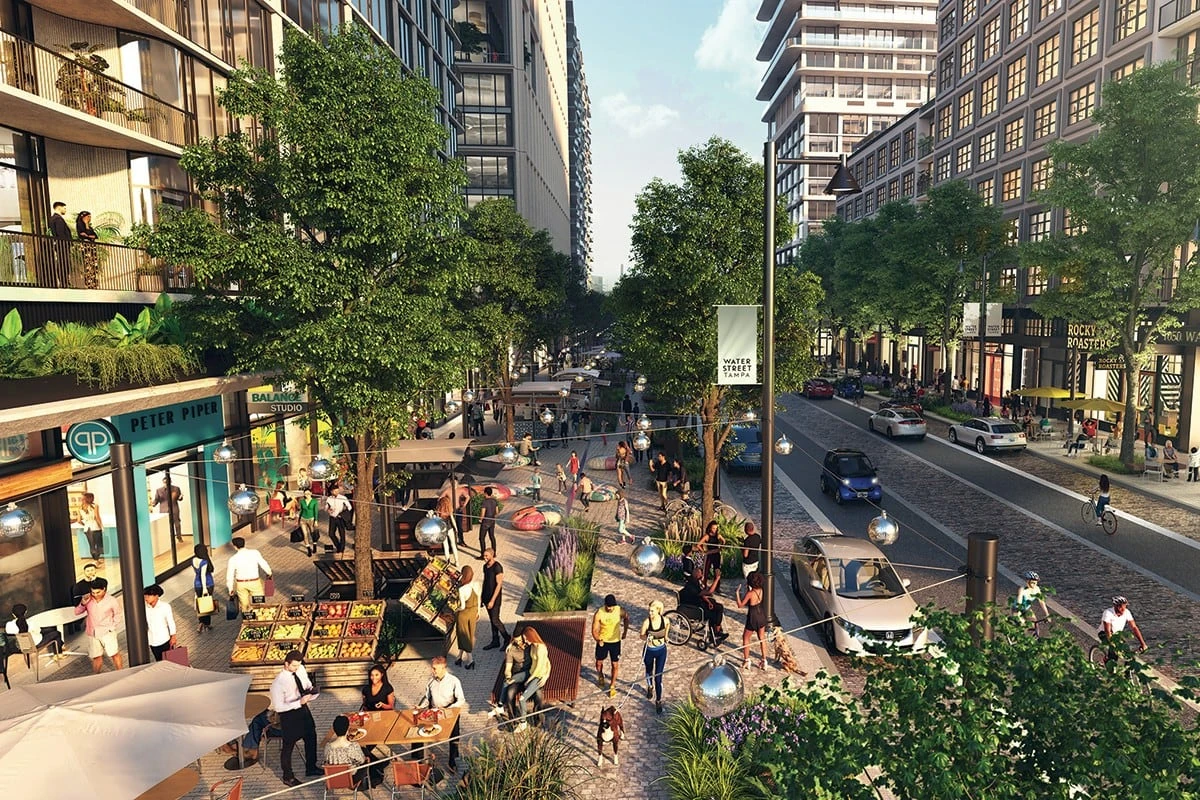
short drives, walkable venue clusters, and tighter curb windows. Peak traffic and limited loading flexibility can shape the whole day.
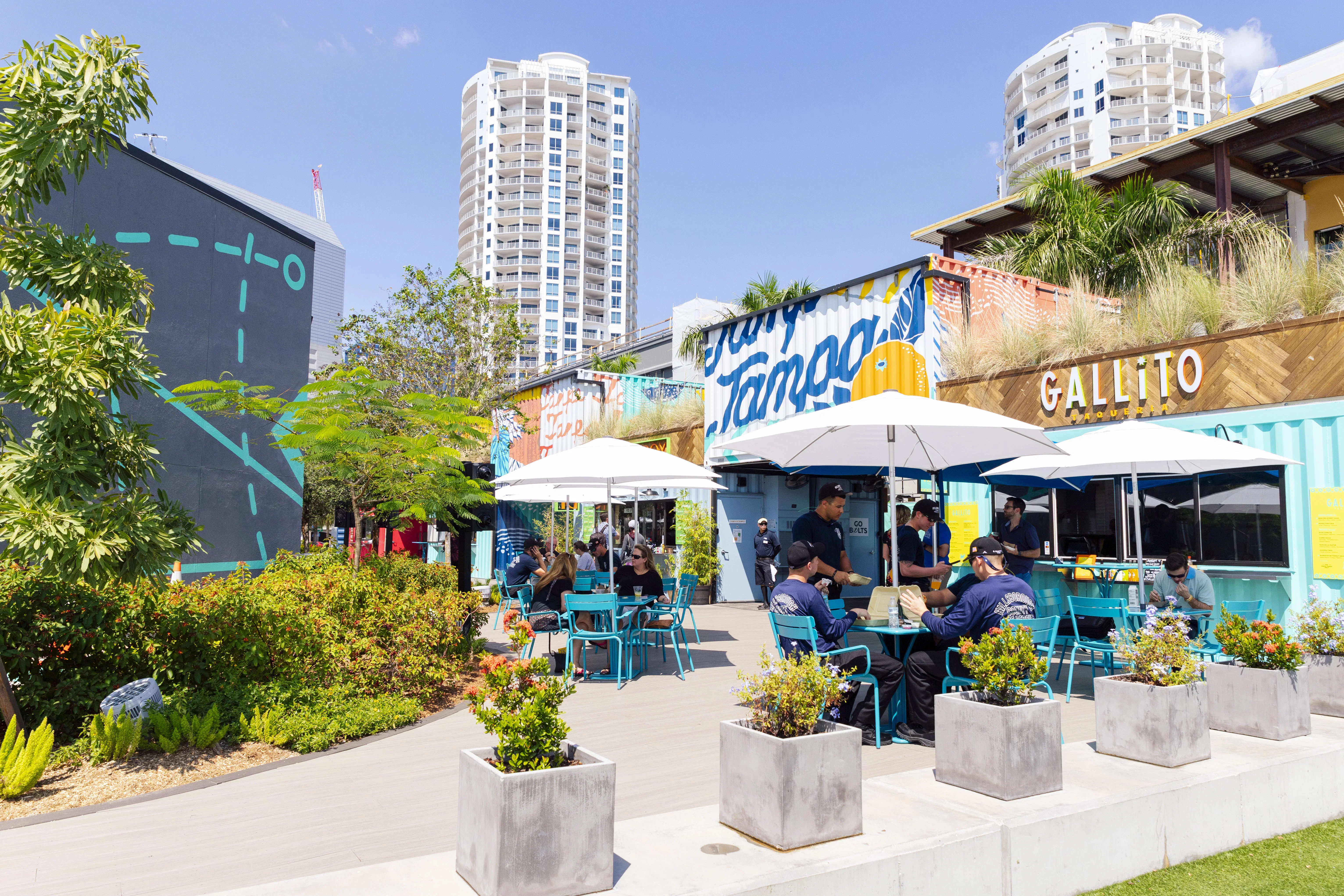
short drives, walkable venue clusters, and tighter curb windows. Peak traffic and limited loading flexibility can shape the whole day.
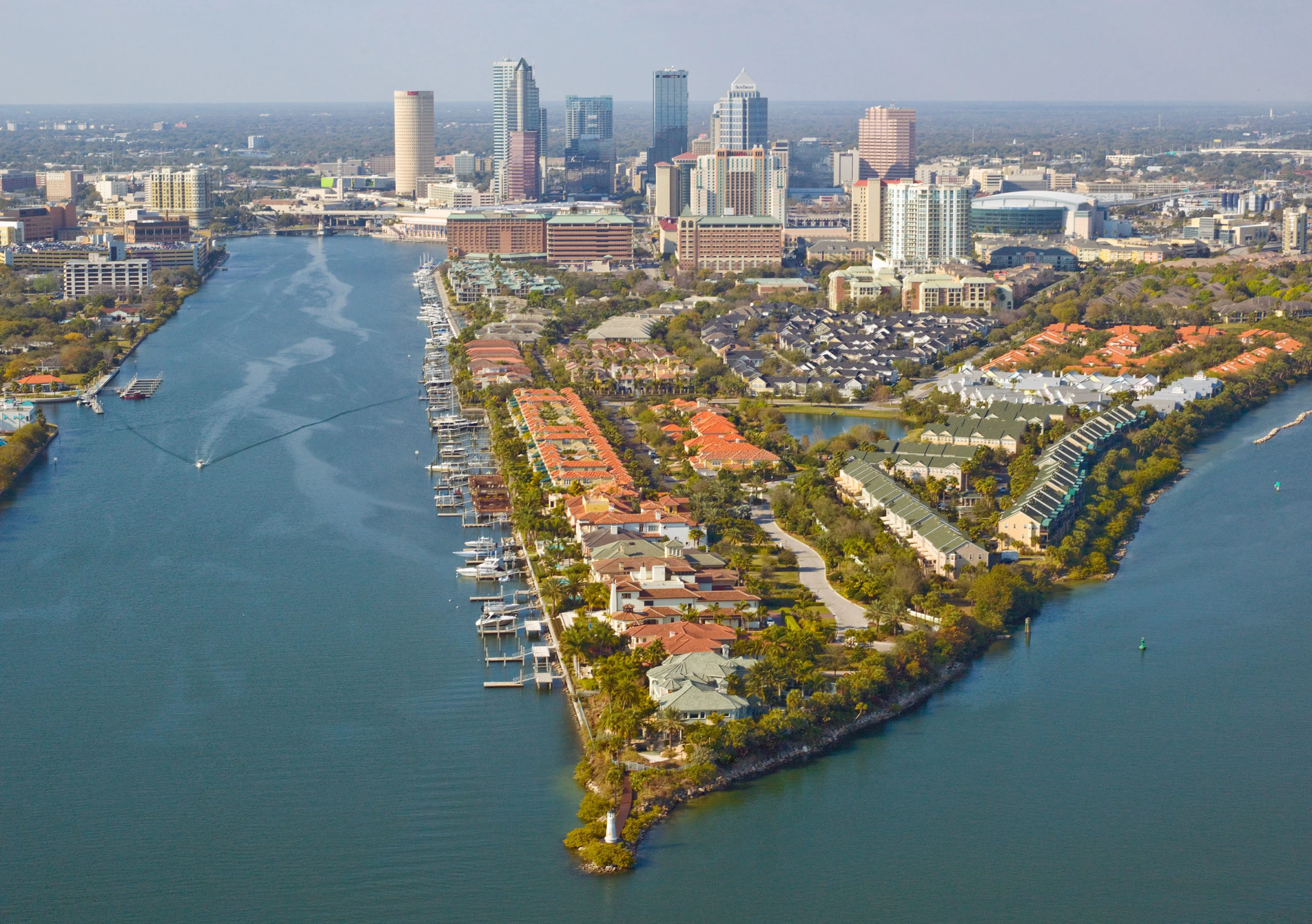
short drives, walkable venue clusters, and tighter curb windows. Peak traffic and limited loading flexibility can shape the whole day.
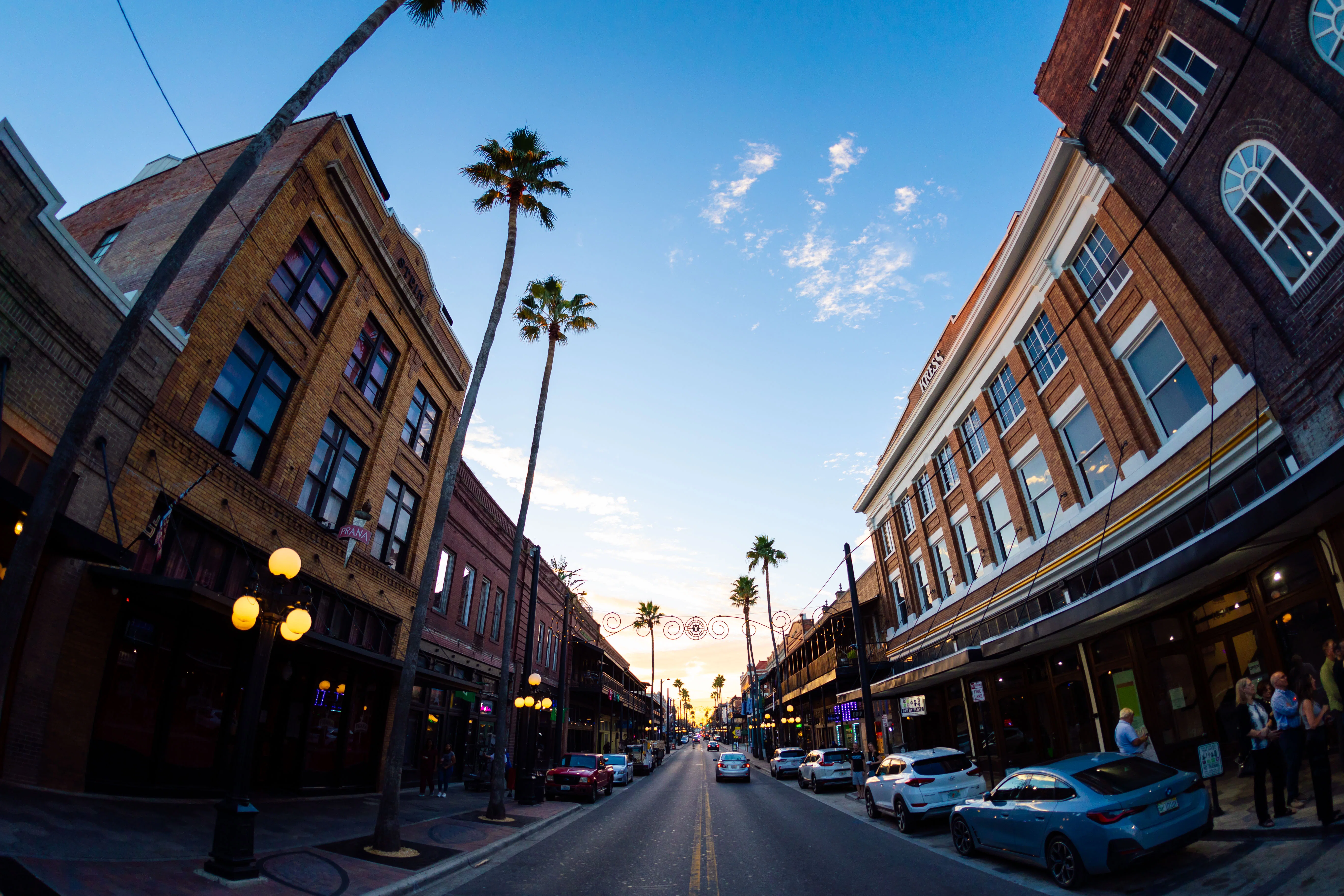
short drives, walkable venue clusters, and tighter curb windows. Peak traffic and limited loading flexibility can shape the whole day.
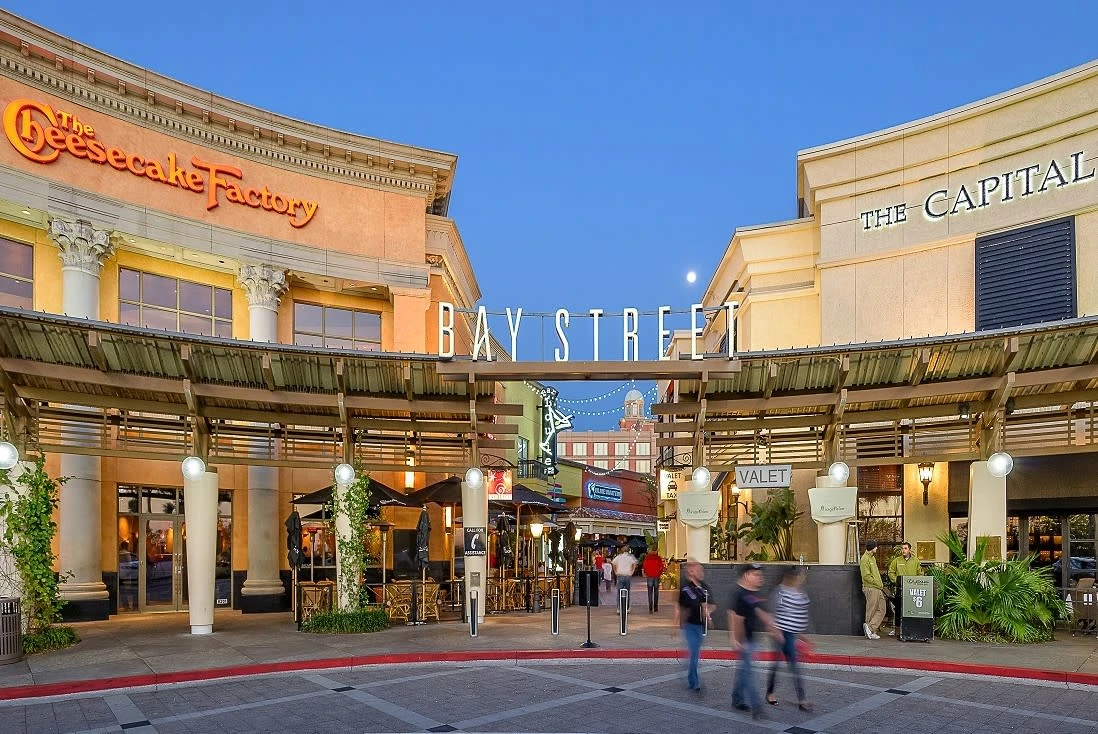
hotel density, airport access, and easy cross-town connections. Large meeting schedules can stack on the same streets and service windows.
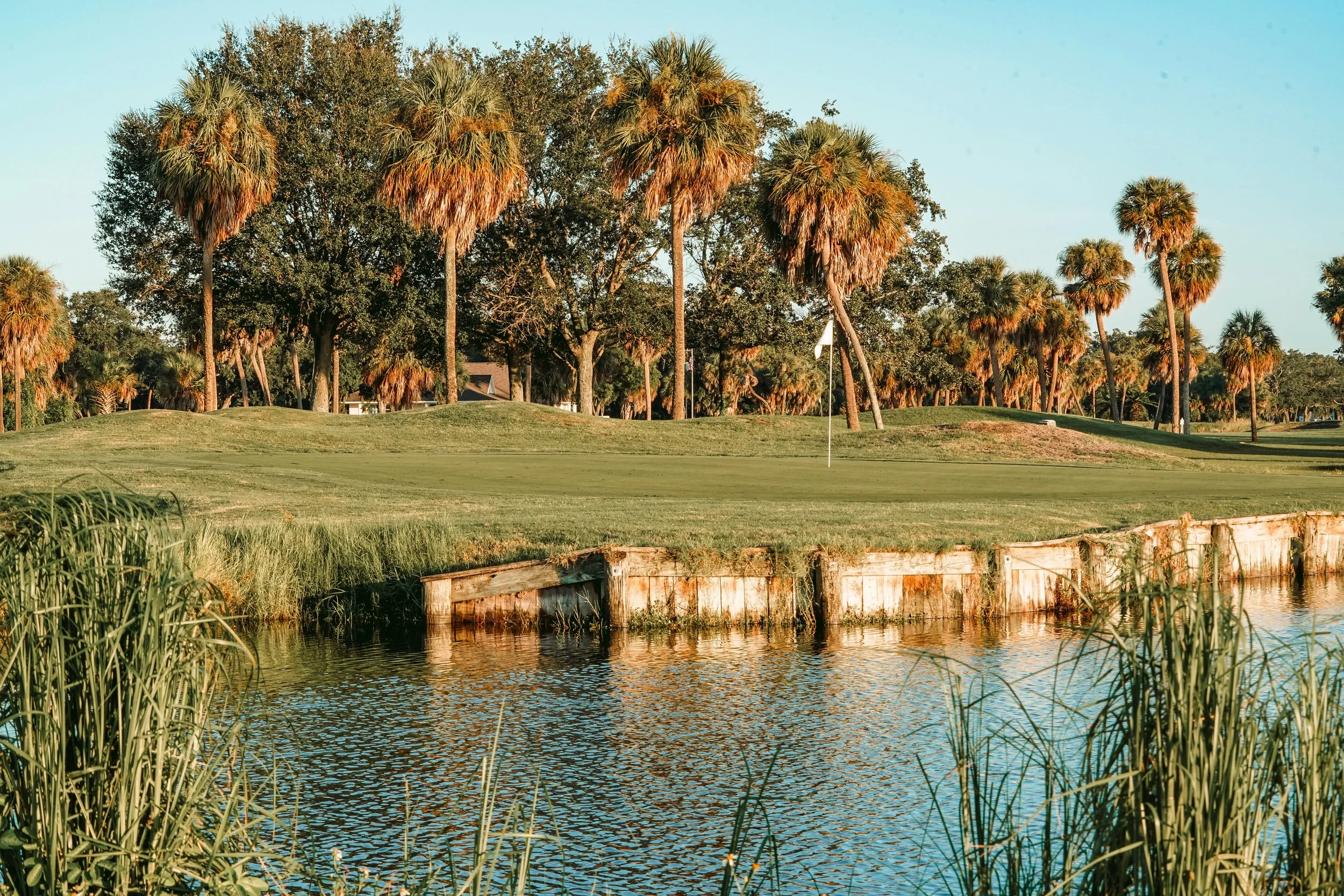
hotel density, airport access, and easy cross-town connections. Large meeting schedules can stack on the same streets and service windows.
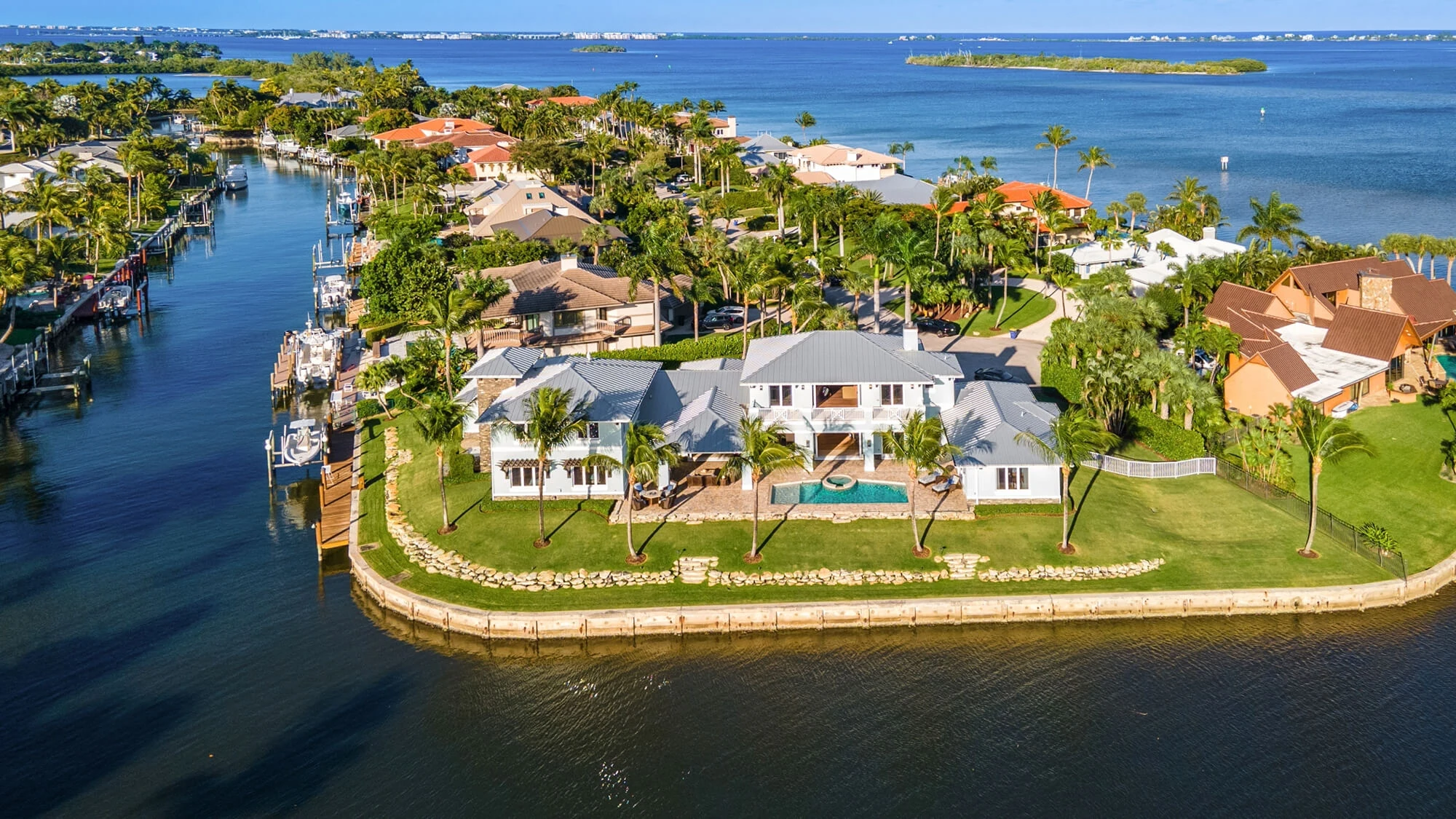
local streets, neighborhood access, and client-facing movement between venues and meetings. The trip can look short on a map and still need careful timing in practice.

local streets, neighborhood access, and client-facing movement between venues and meetings. The trip can look short on a map and still need careful timing in practice.
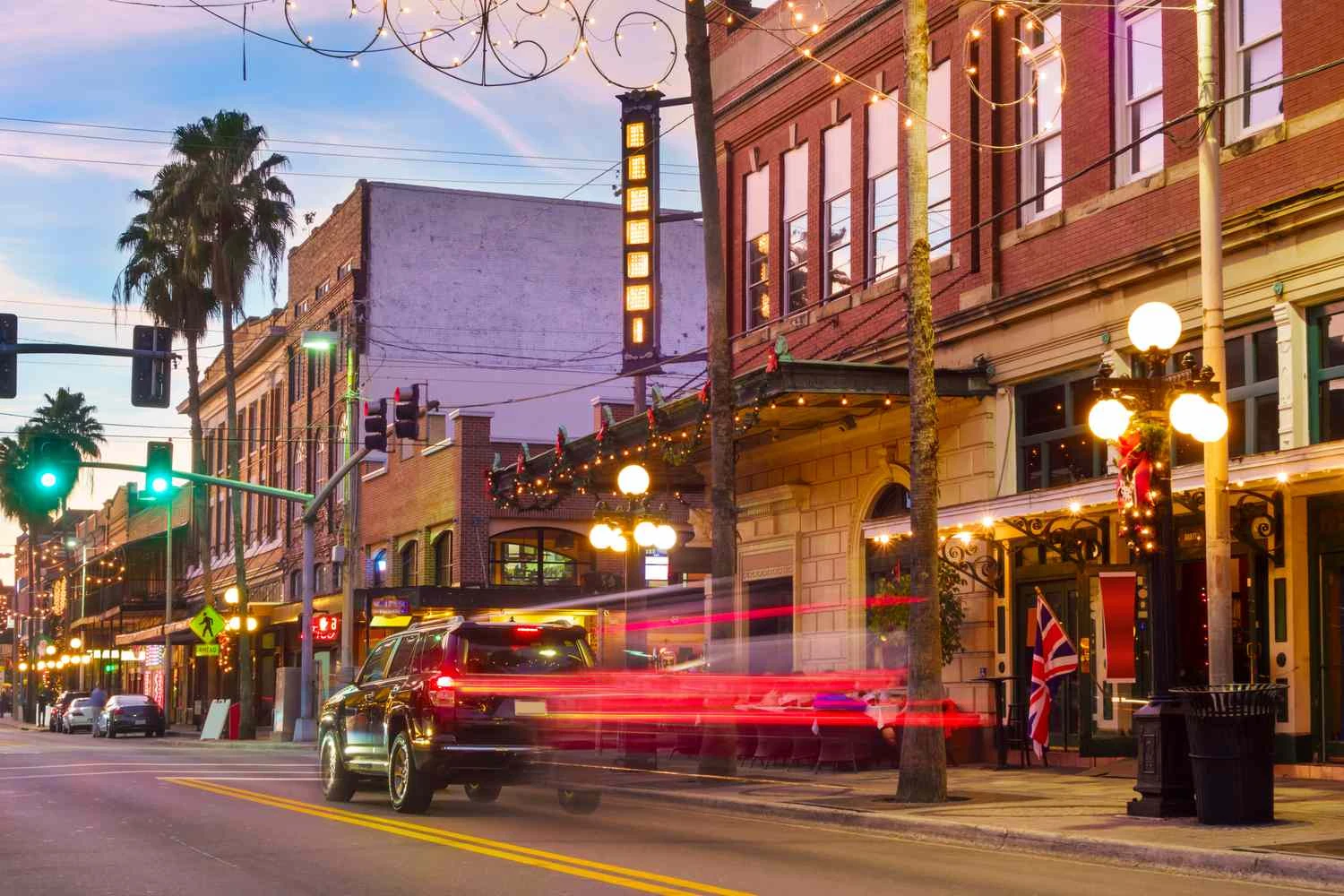
local streets, neighborhood access, and client-facing movement between venues and meetings. The trip can look short on a map and still need careful timing in practice.
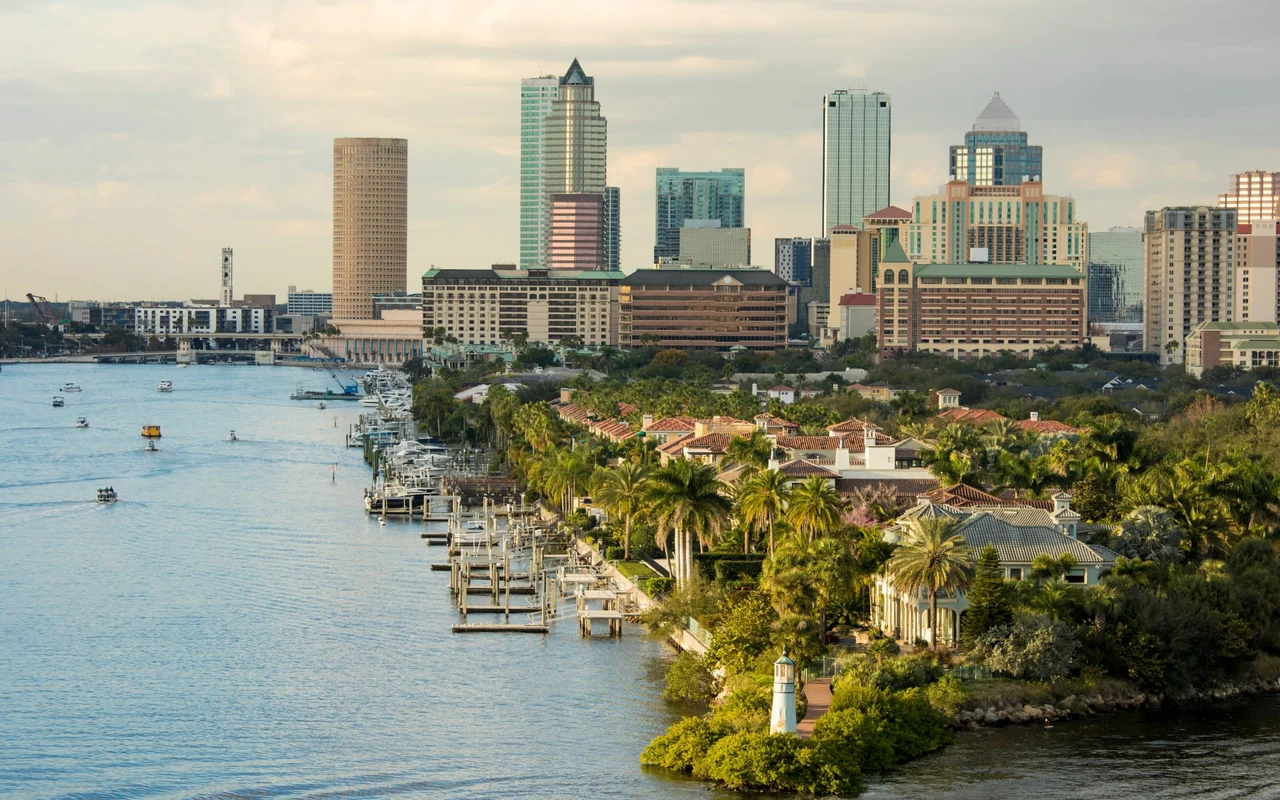
local streets, neighborhood access, and client-facing movement between venues and meetings. The trip can look short on a map and still need careful timing in practice.
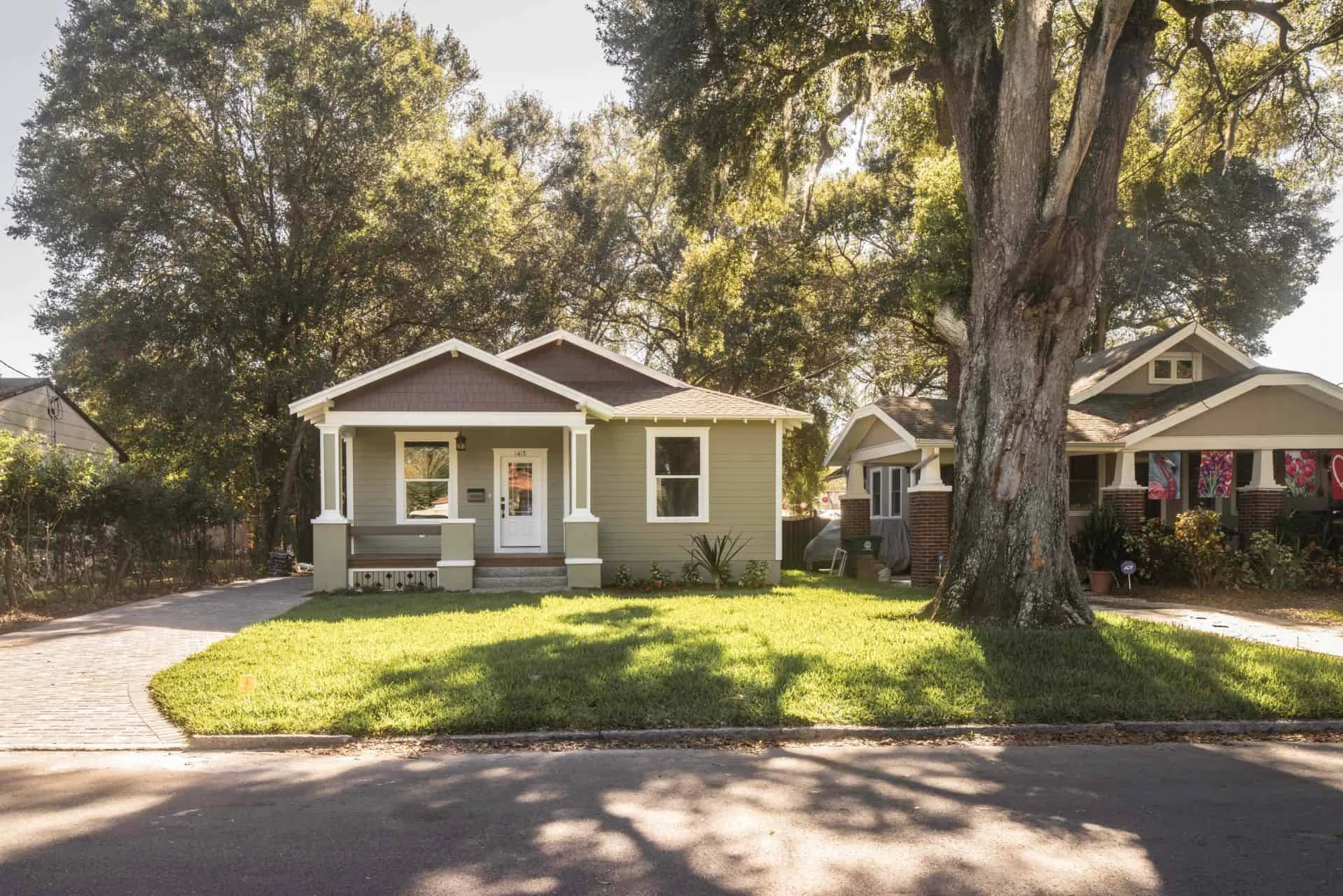
local streets, neighborhood access, and client-facing movement between venues and meetings. The trip can look short on a map and still need careful timing in practice.
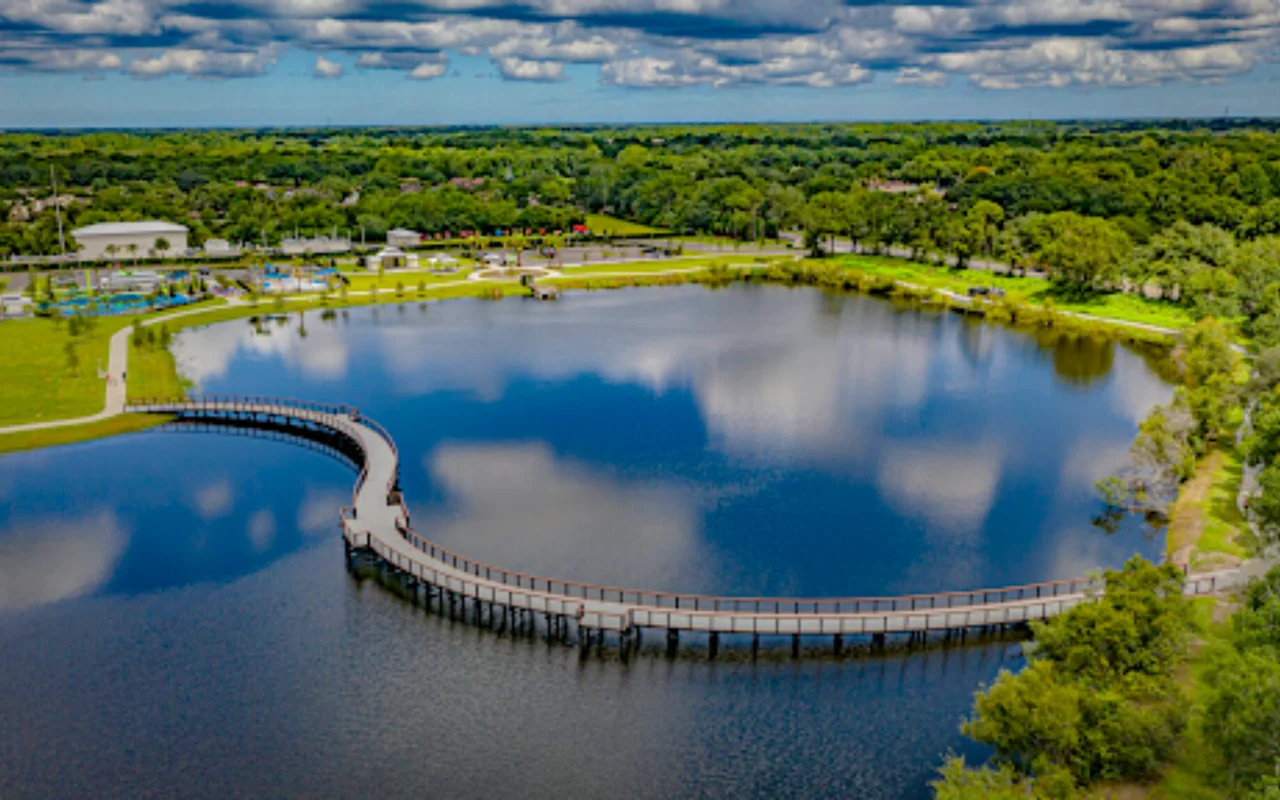
car access, regional drives, and wider logistics windows. The plan has to account for distance and timing instead of assuming downtown convenience.
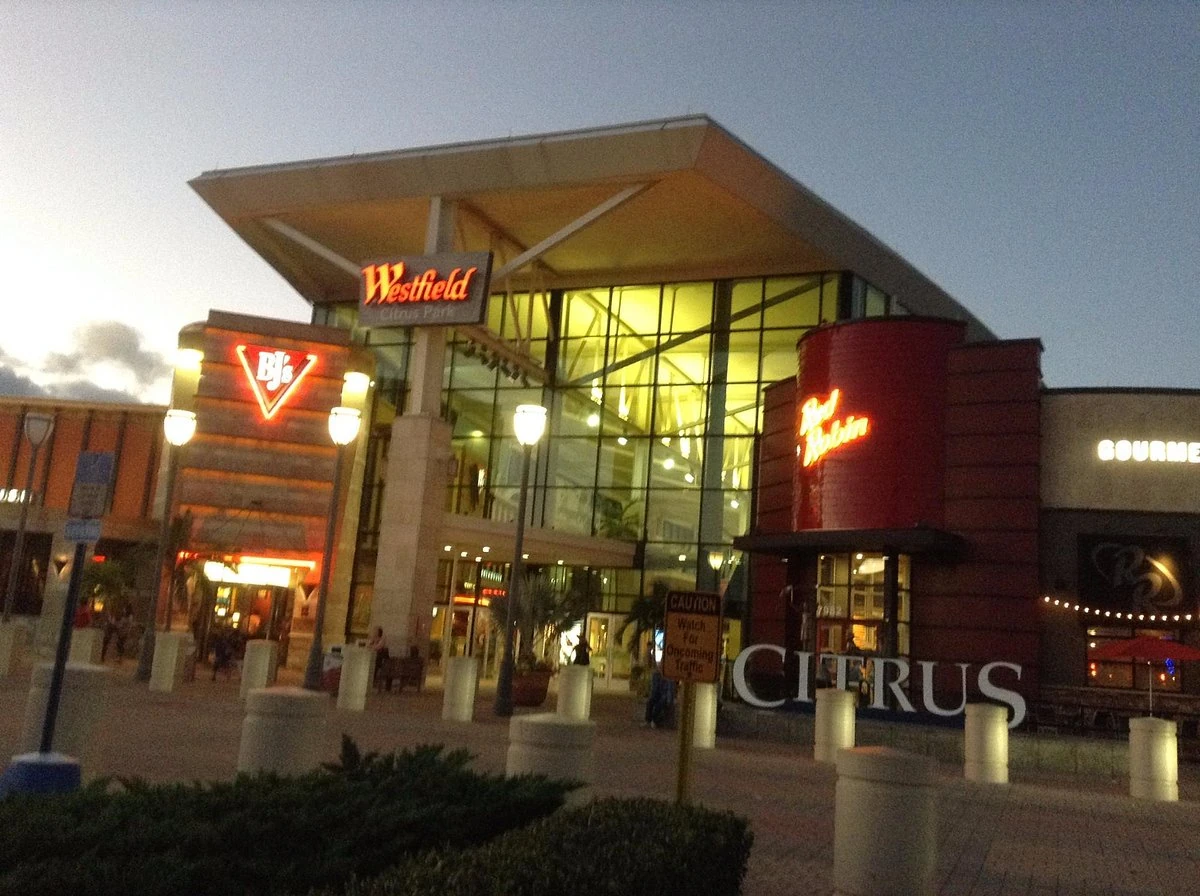
car access, regional drives, and wider logistics windows. The plan has to account for distance and timing instead of assuming downtown convenience.
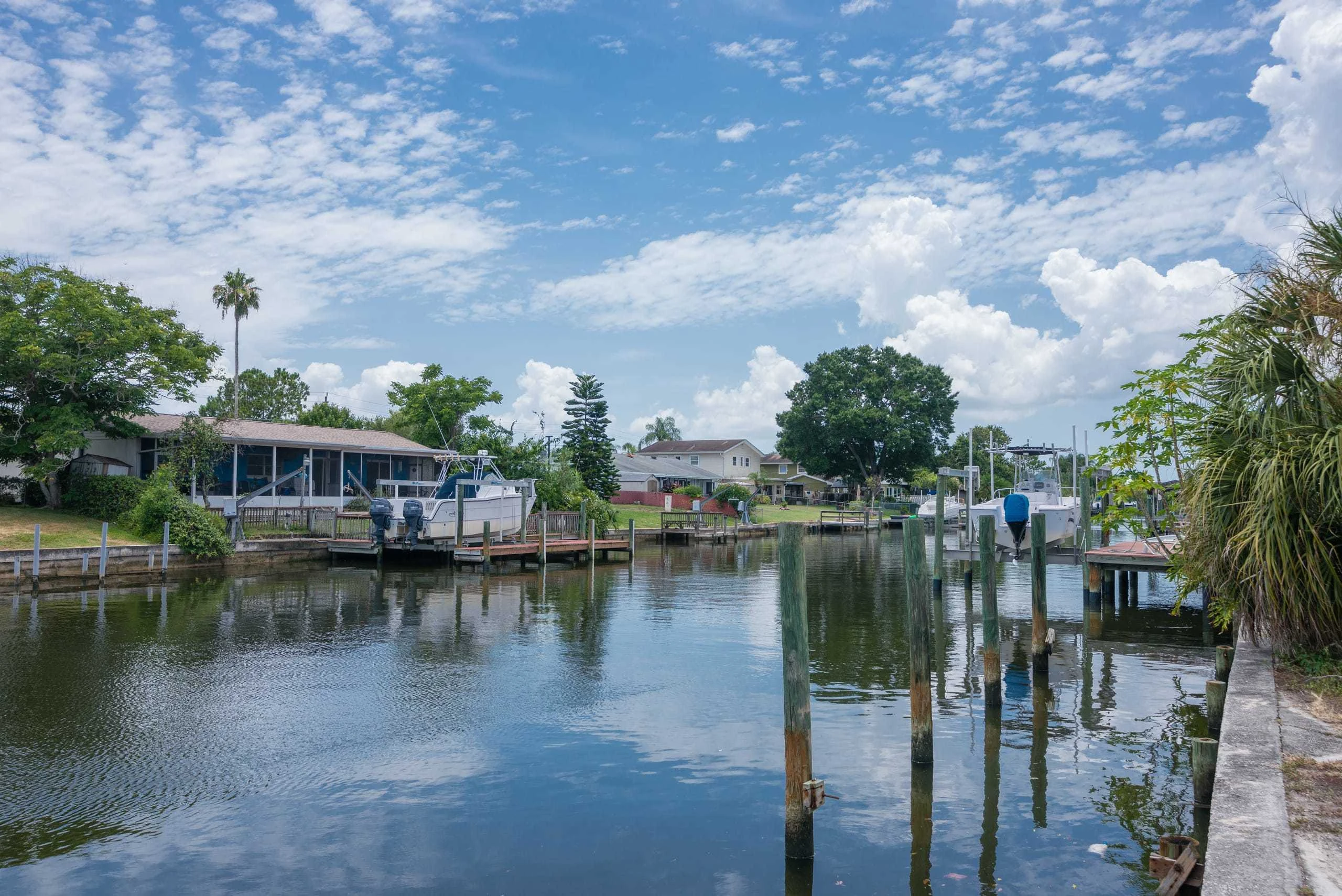
car access, regional drives, and wider logistics windows. The plan has to account for distance and timing instead of assuming downtown convenience.
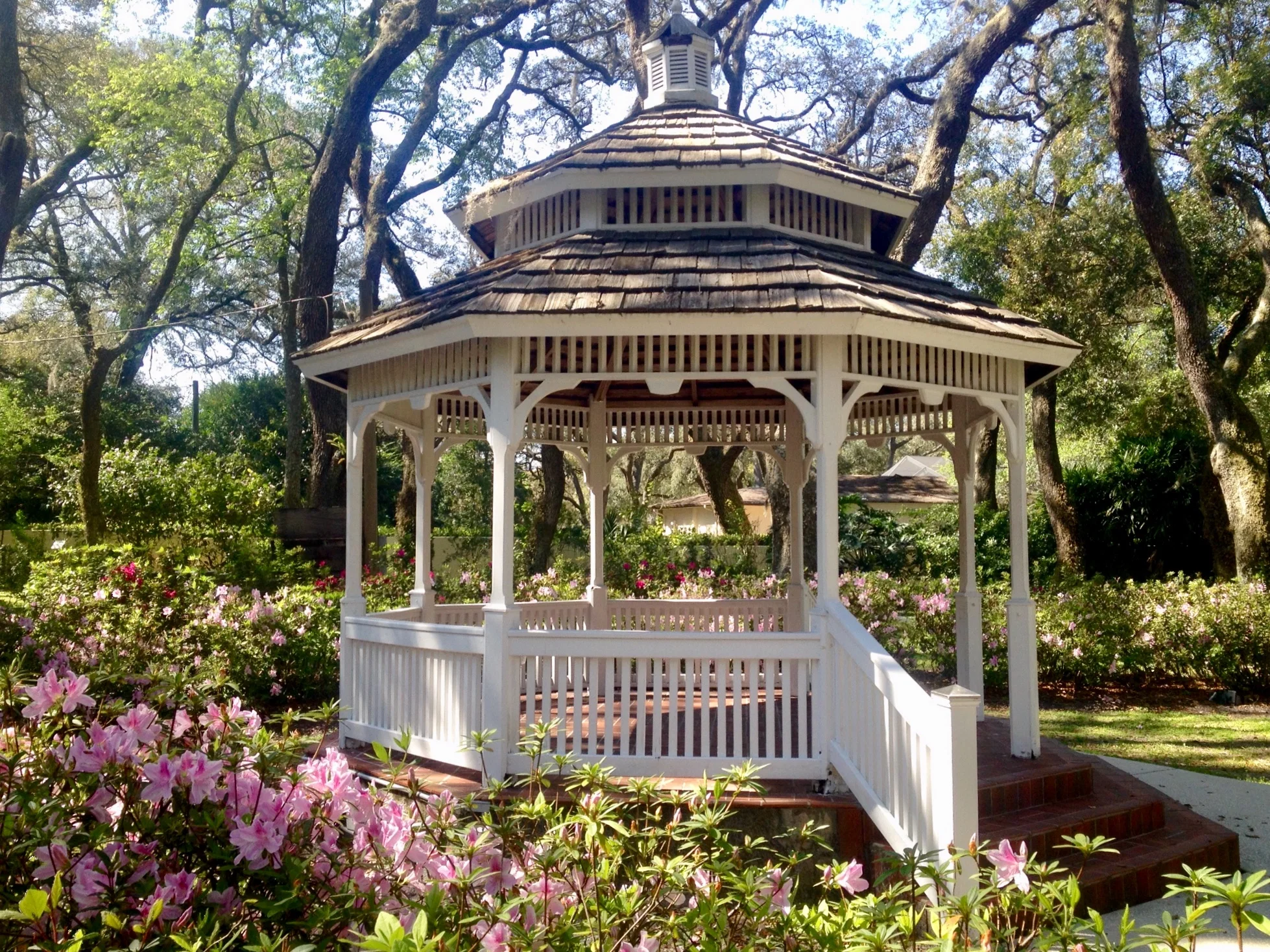
car access, regional drives, and wider logistics windows. The plan has to account for distance and timing instead of assuming downtown convenience.
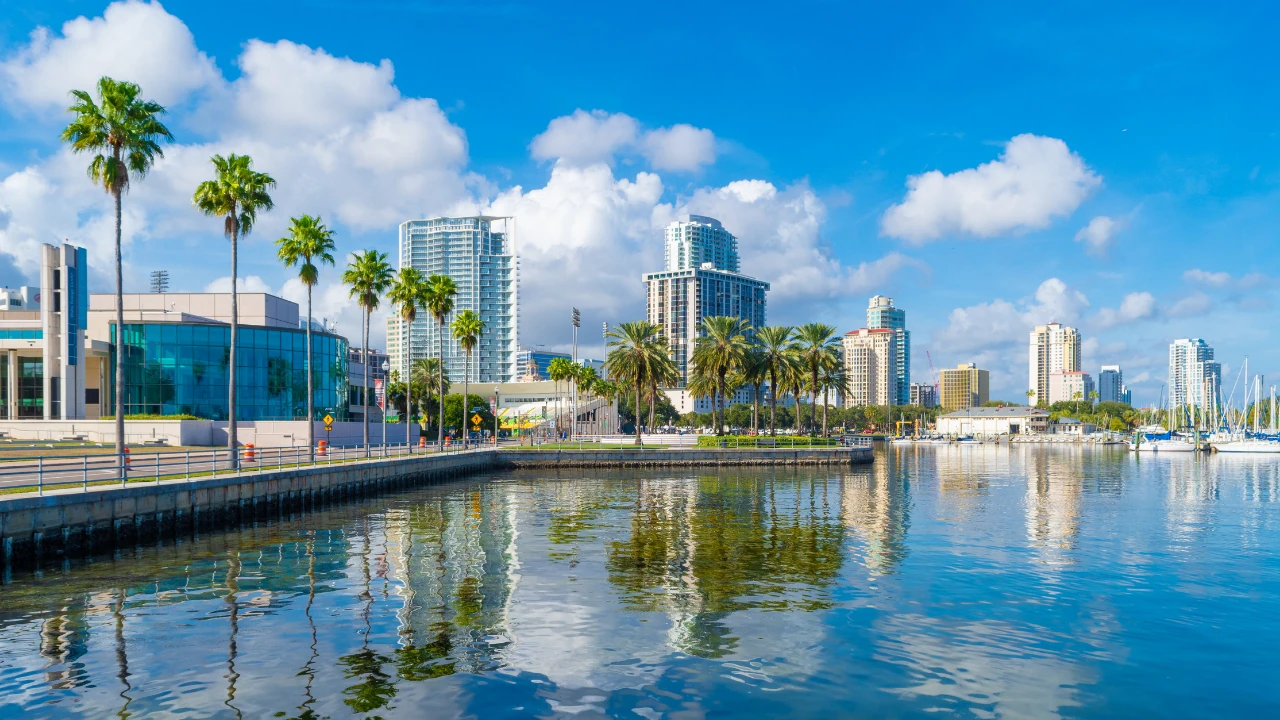
car access, regional drives, and wider logistics windows. The plan has to account for distance and timing instead of assuming downtown convenience.
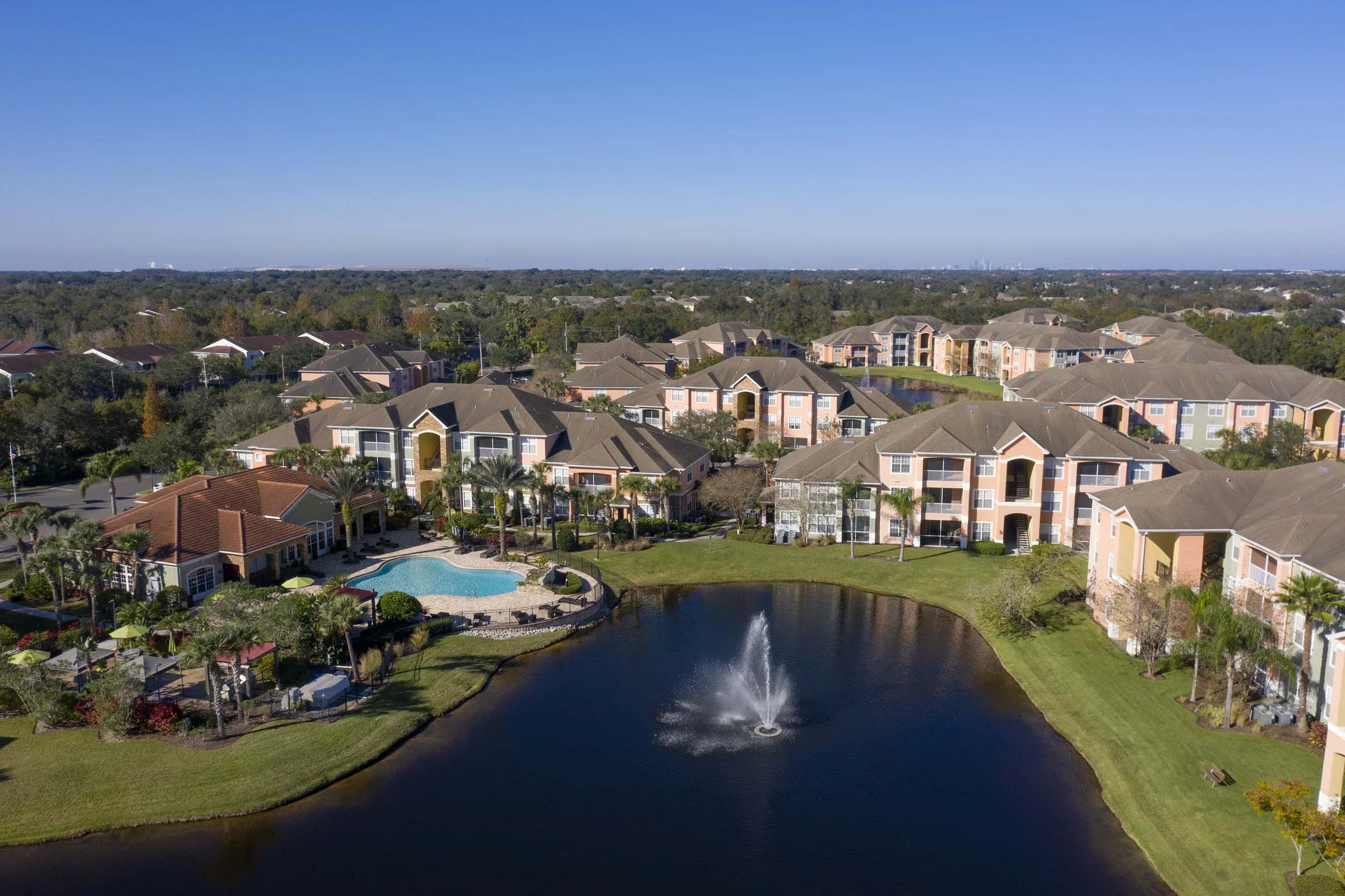
car access, regional drives, and wider logistics windows. The plan has to account for distance and timing instead of assuming downtown convenience.
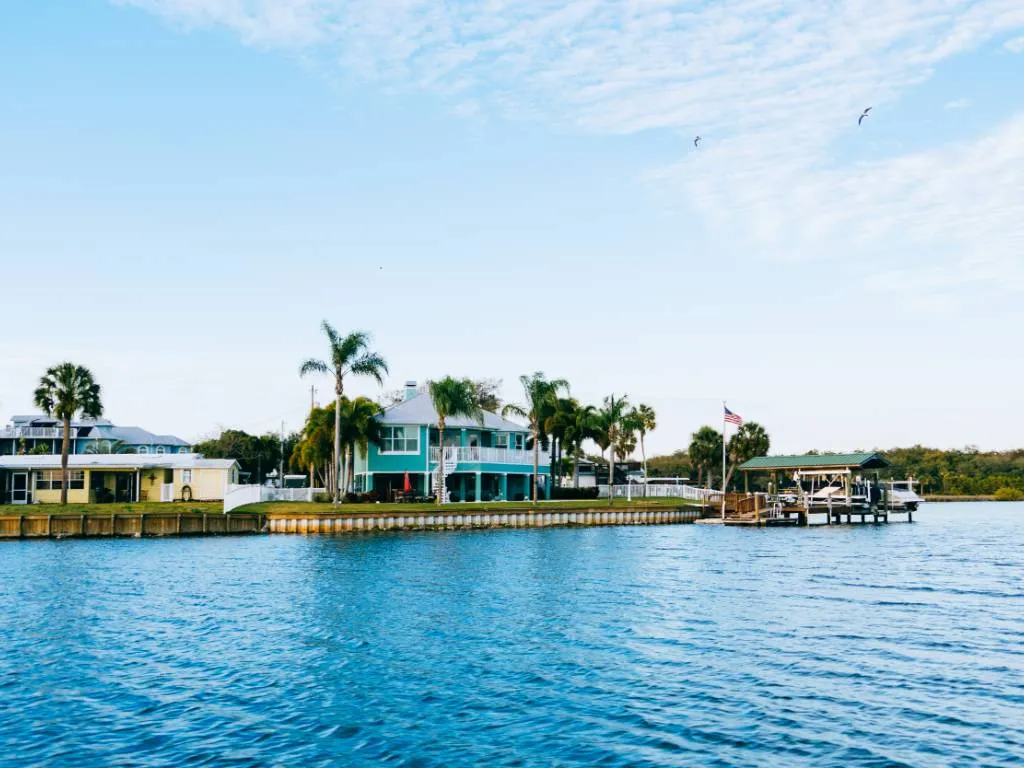
car access, regional drives, and wider logistics windows. The plan has to account for distance and timing instead of assuming downtown convenience.
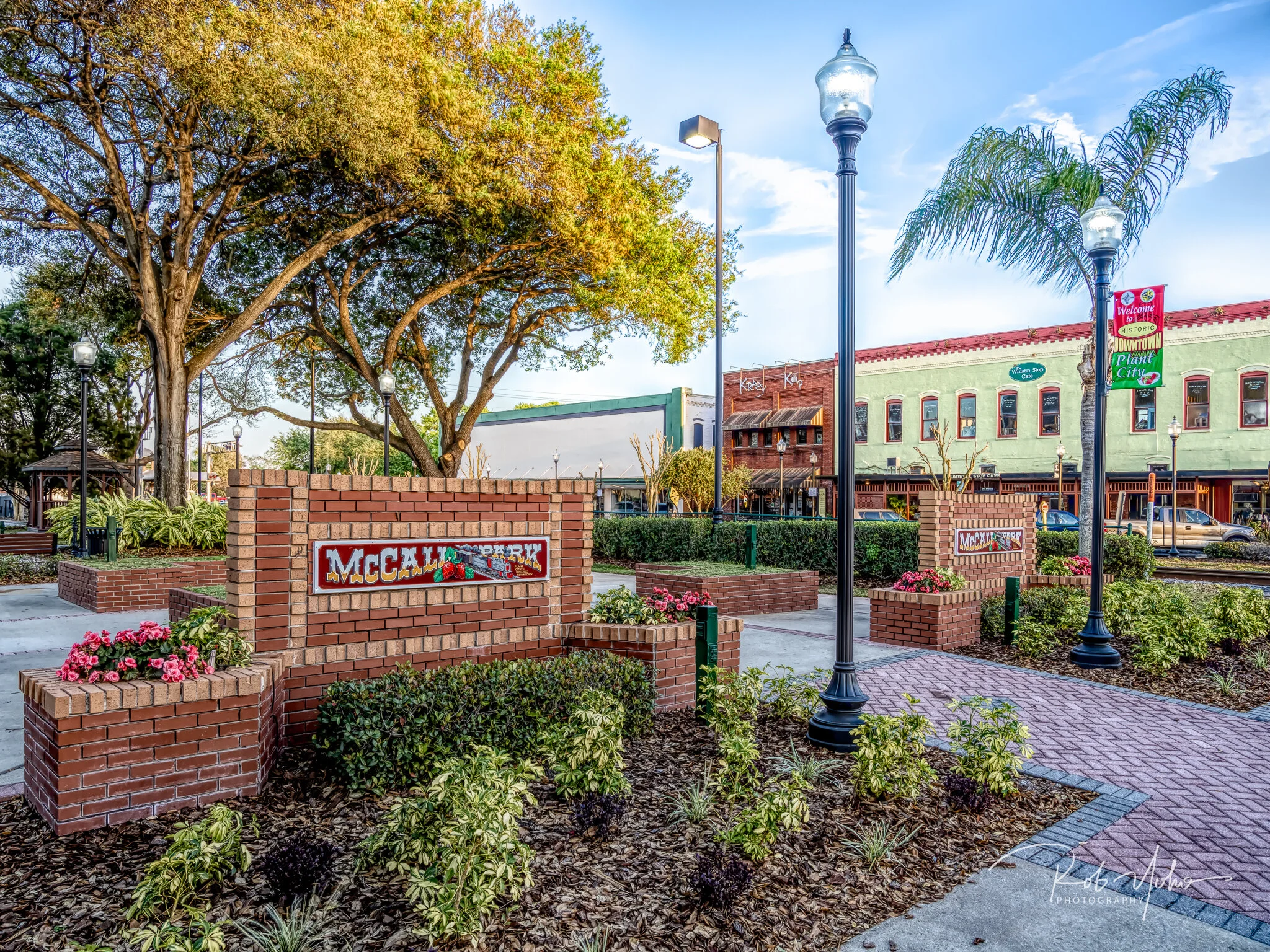
car access, regional drives, and wider logistics windows. The plan has to account for distance and timing instead of assuming downtown convenience.
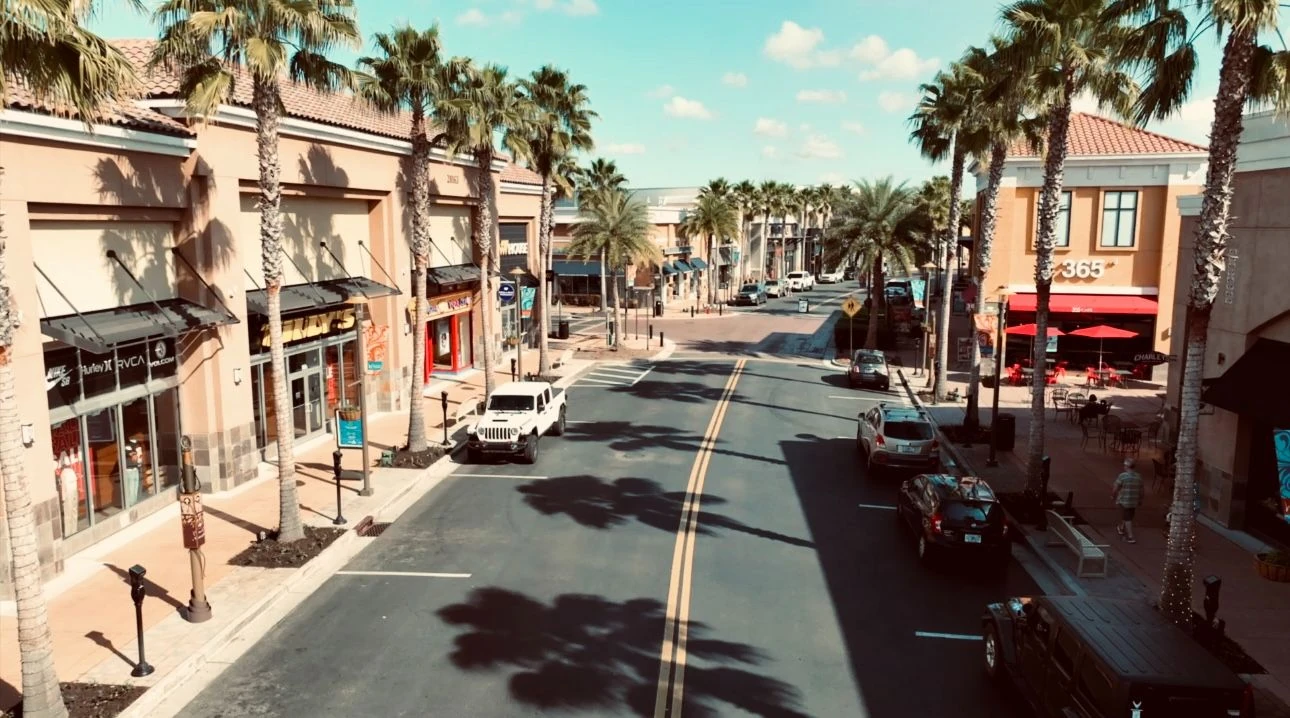
car access, regional drives, and wider logistics windows. The plan has to account for distance and timing instead of assuming downtown convenience.
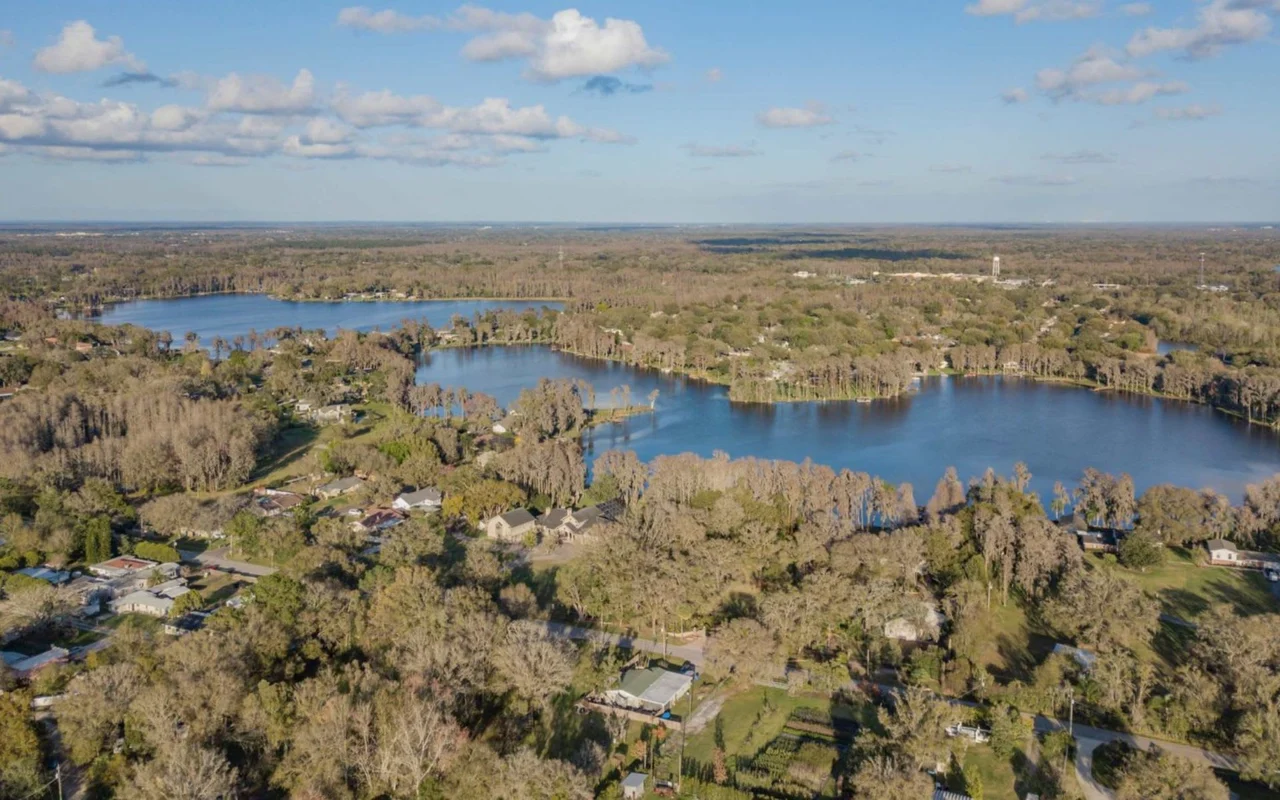
car access, regional drives, and wider logistics windows. The plan has to account for distance and timing instead of assuming downtown convenience.
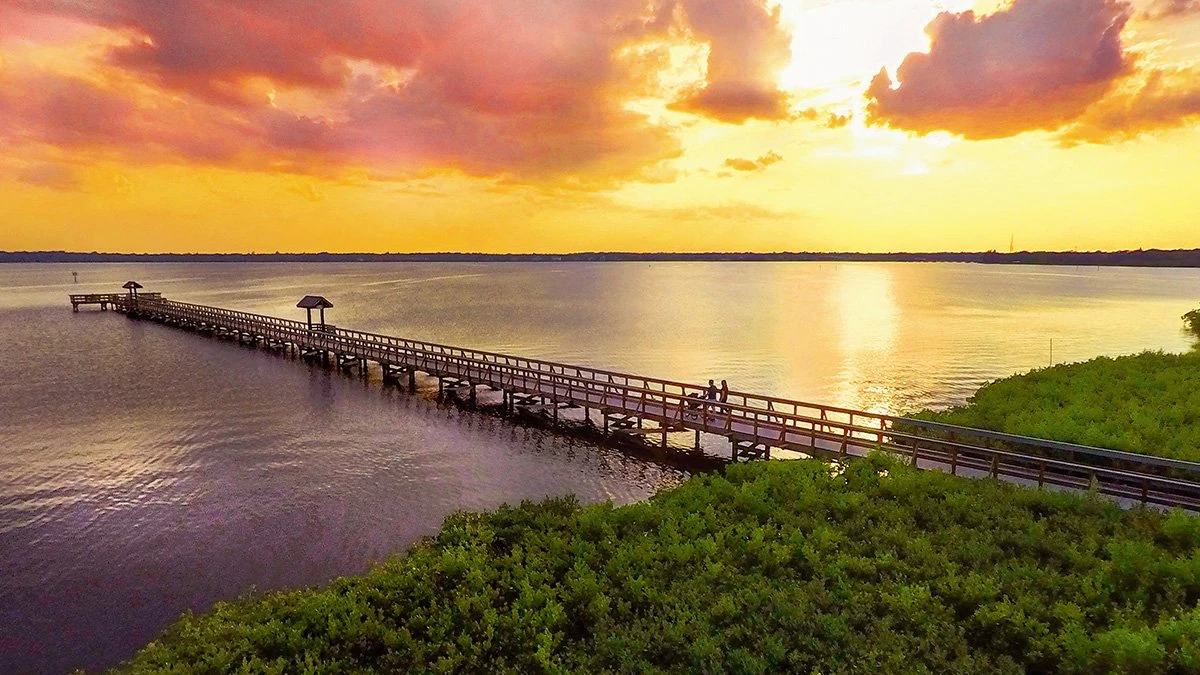
car access, regional drives, and wider logistics windows. The plan has to account for distance and timing instead of assuming downtown convenience.
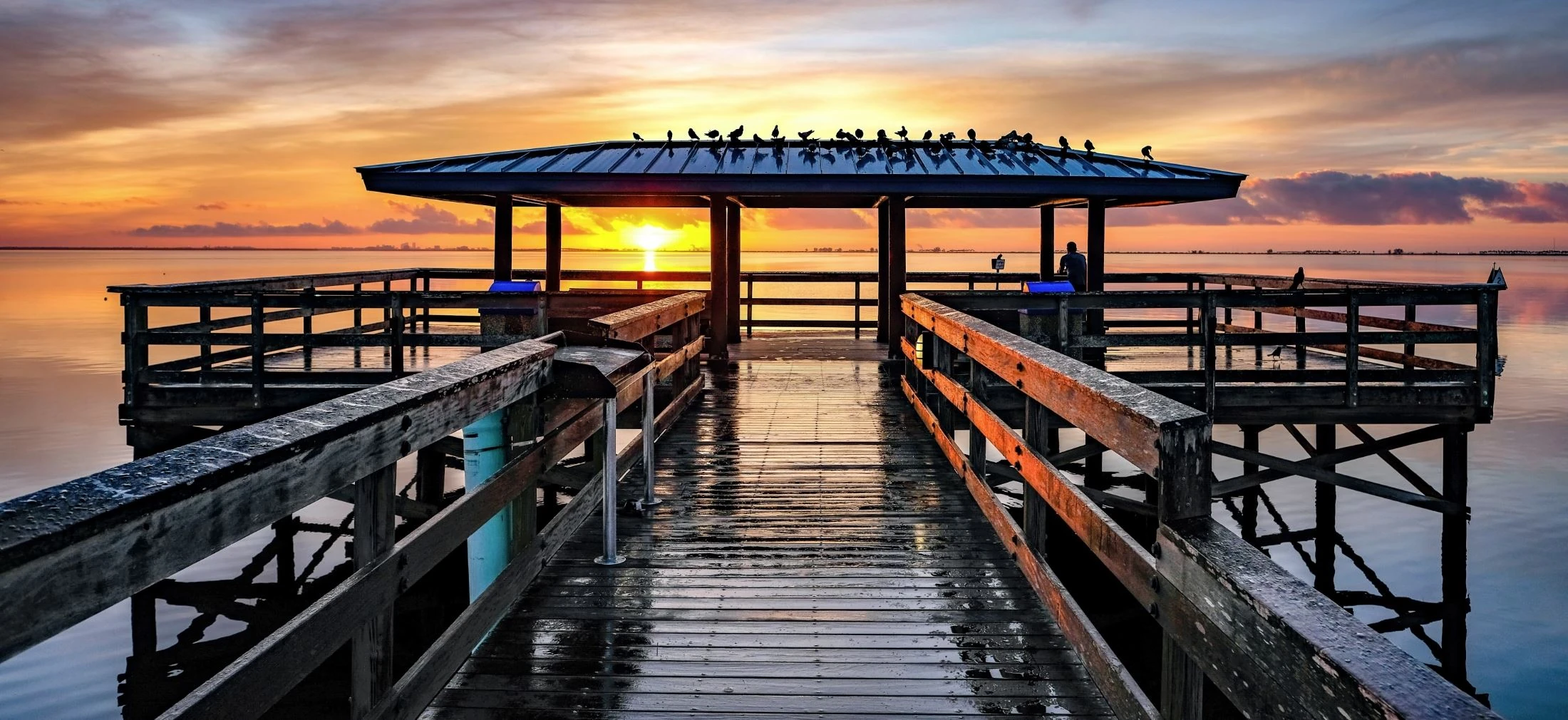
car access, regional drives, and wider logistics windows. The plan has to account for distance and timing instead of assuming downtown convenience.
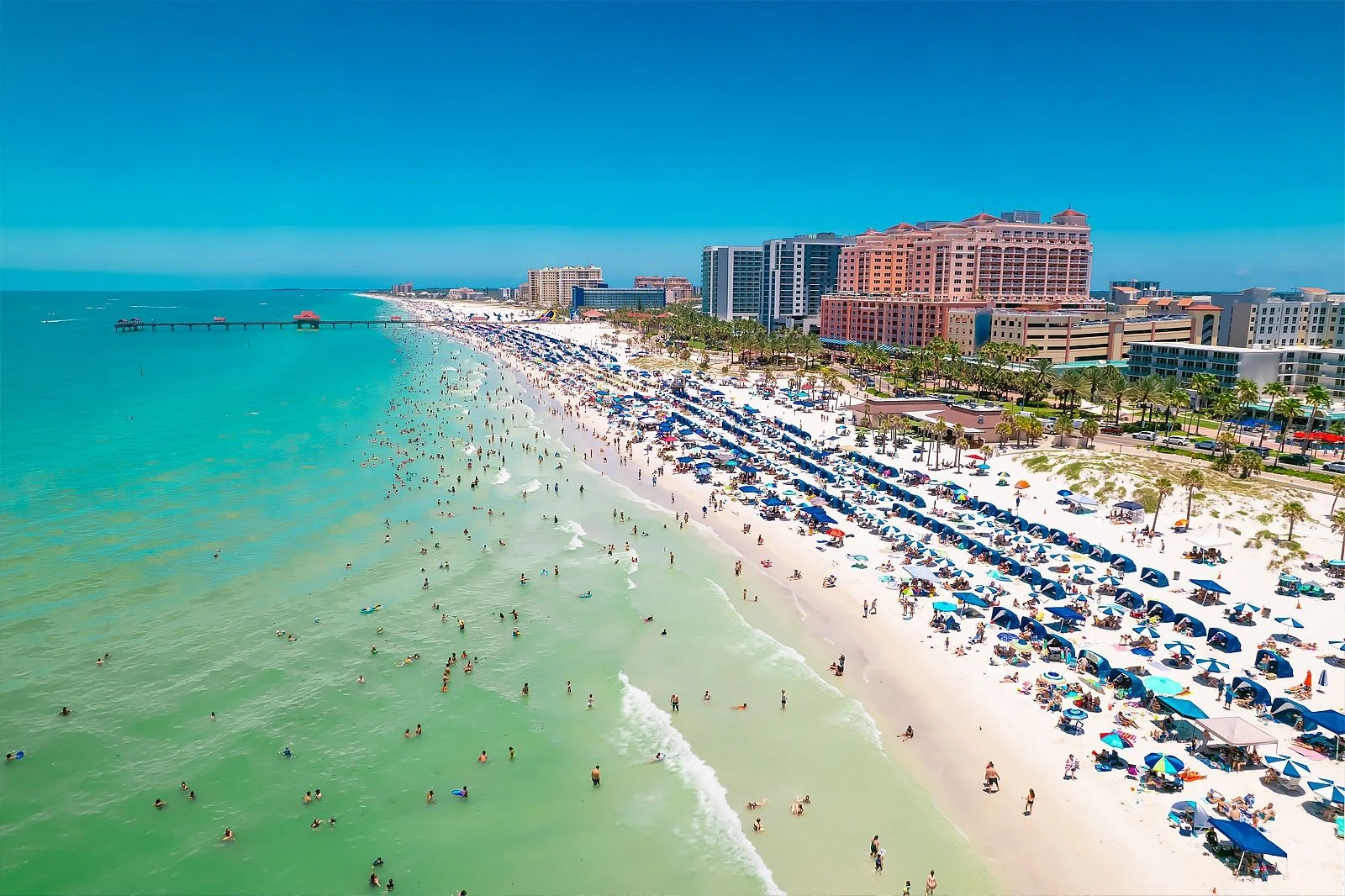
bridge crossings, waterfront access, and resort-driven timing. The buyer needs to treat cross-bay movement as part of the schedule.
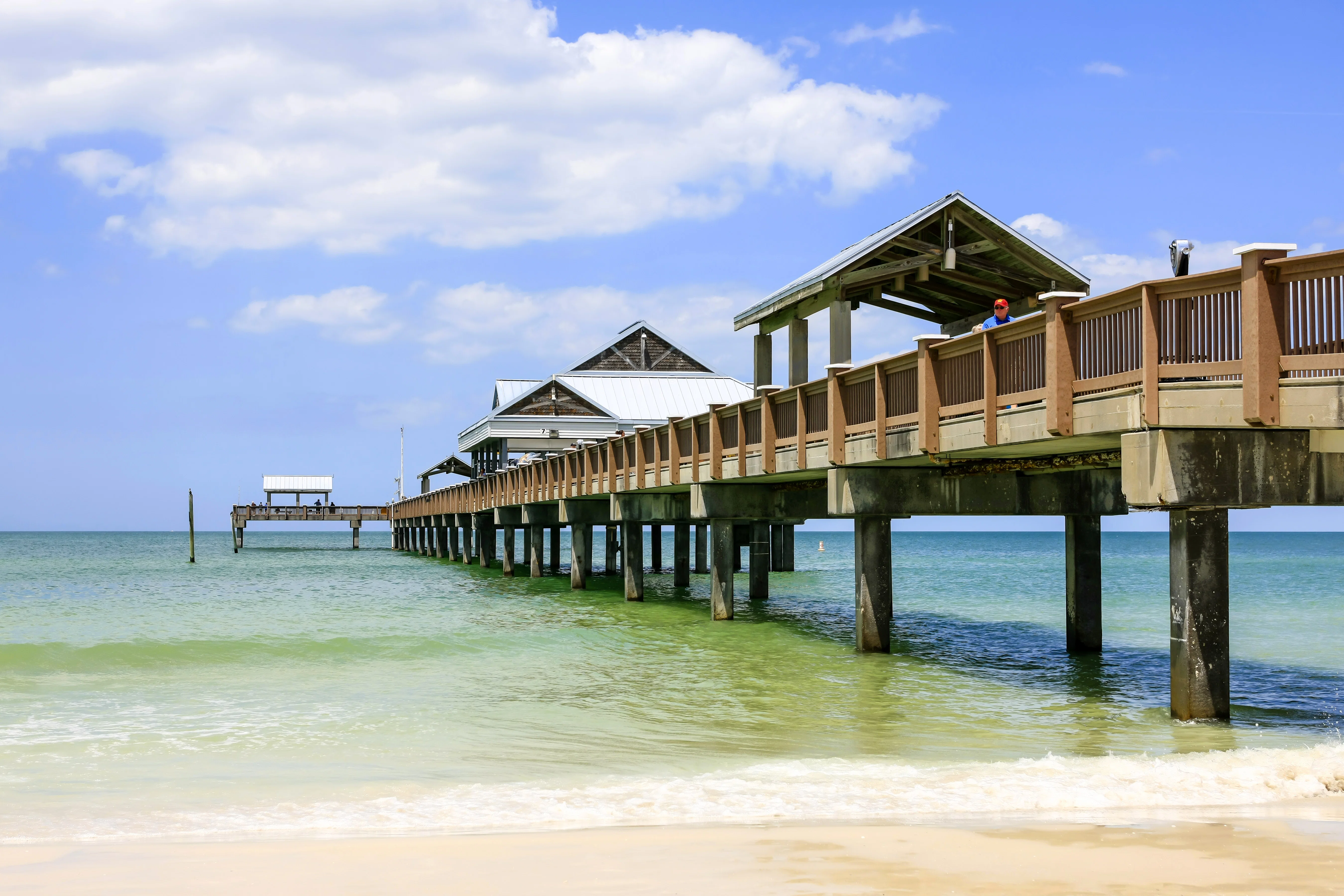
bridge crossings, waterfront access, and resort-driven timing. The buyer needs to treat cross-bay movement as part of the schedule.
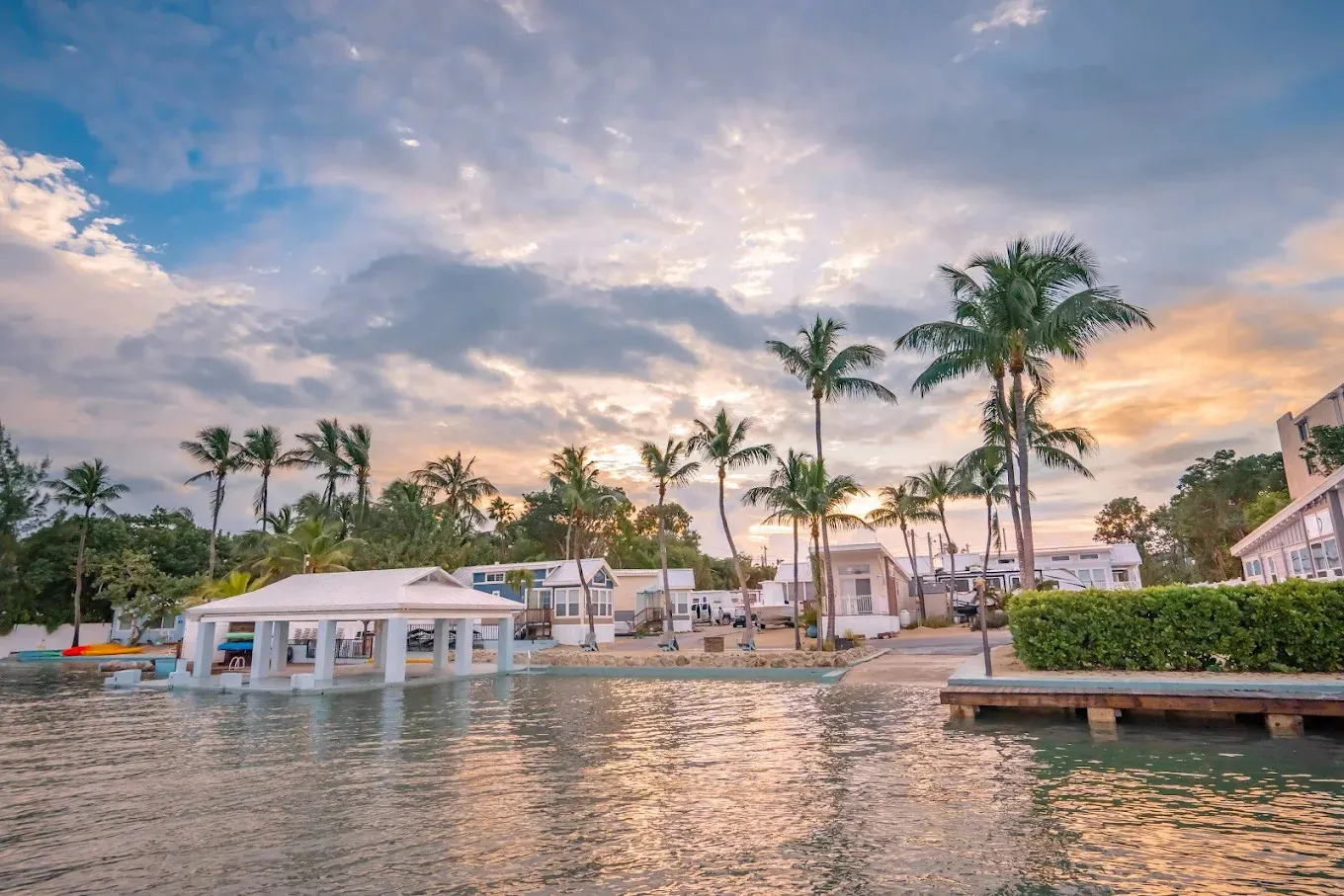
bridge crossings, waterfront access, and resort-driven timing. The buyer needs to treat cross-bay movement as part of the schedule.
bridge crossings, waterfront access, and resort-driven timing. The buyer needs to treat cross-bay movement as part of the schedule.
bridge crossings, waterfront access, and resort-driven timing. The buyer needs to treat cross-bay movement as part of the schedule.
bridge crossings, waterfront access, and resort-driven timing. The buyer needs to treat cross-bay movement as part of the schedule.
bridge crossings, waterfront access, and resort-driven timing. The buyer needs to treat cross-bay movement as part of the schedule.
bridge crossings, waterfront access, and resort-driven timing. The buyer needs to treat cross-bay movement as part of the schedule.
bridge crossings, waterfront access, and resort-driven timing. The buyer needs to treat cross-bay movement as part of the schedule.
regional drives, multiple hotel clusters, and a wider support radius. Travel time can matter more than distance on a map.
regional drives, multiple hotel clusters, and a wider support radius. Travel time can matter more than distance on a map.
regional drives, multiple hotel clusters, and a wider support radius. Travel time can matter more than distance on a map.
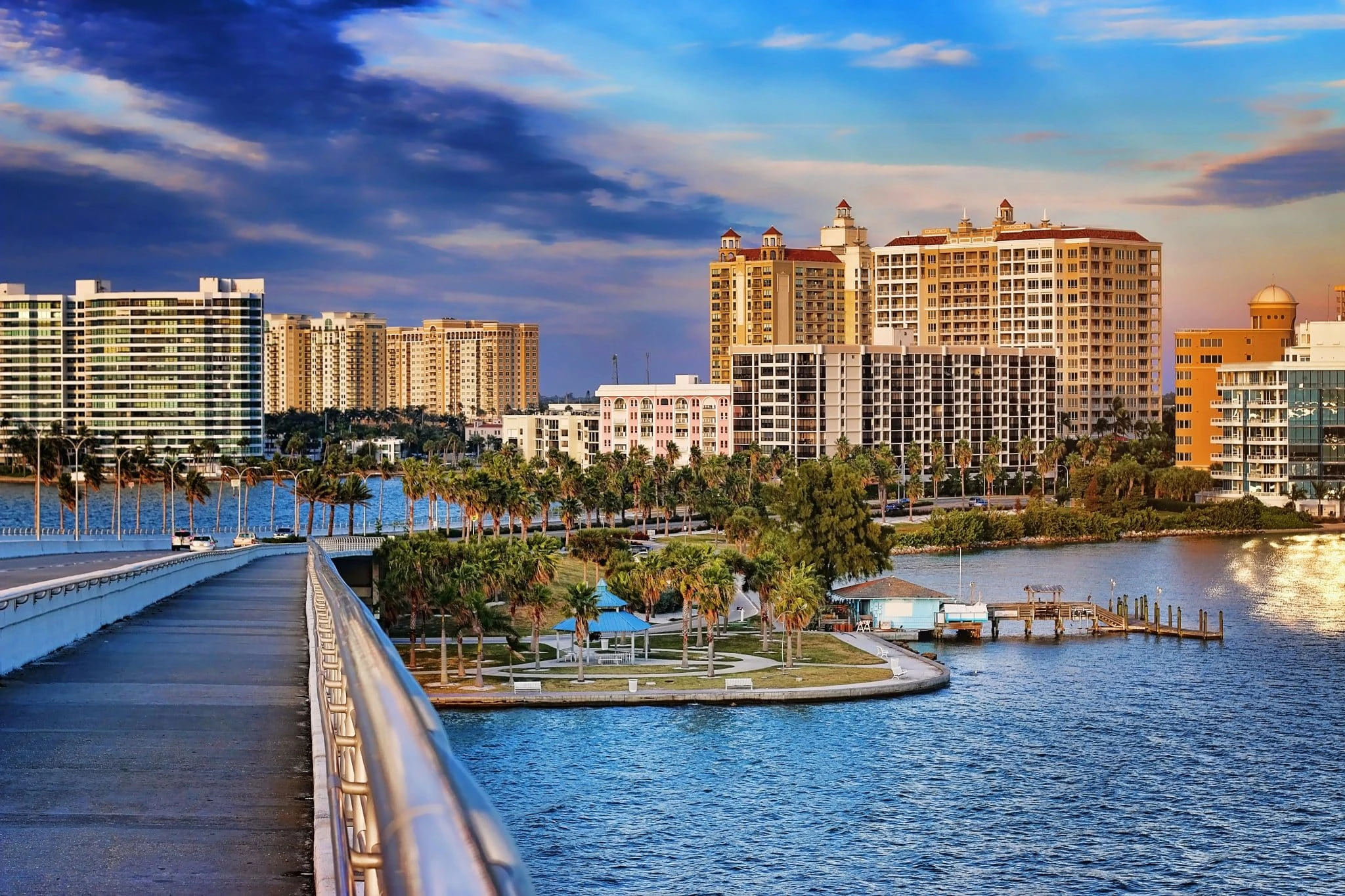
regional drives, multiple hotel clusters, and a wider support radius. Travel time can matter more than distance on a map.