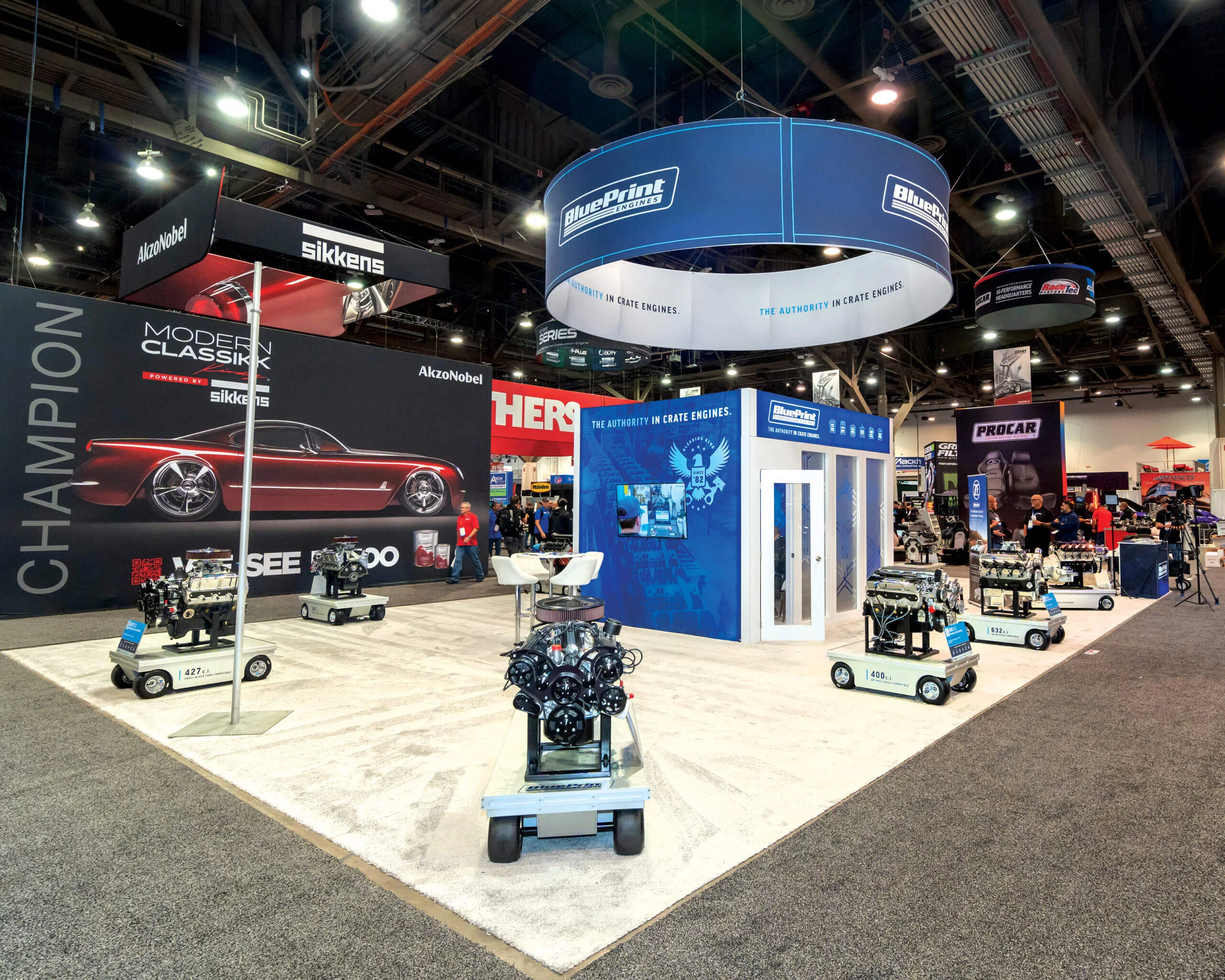
Planning focusConfirm venue utility capacities for high-draw displays like LED screens and test-drive simulators in the Tampa Convention Center's 200,000-square-foot hall.
Local requirementEvaluate fairgrounds options for vehicle-intensive setups, leveraging spaces up to 87,000 square feet for truck and SUV demonstrations.
Execution detailCoordinate labor under Florida's right-to-work framework, verifying show-specific rules for booth installation and dismantling.
Tampa Convention Center: Core Venue for Automotive Scale
The Tampa Convention Center stands as a 600,000 Square Foot waterfront facility tailored for automotive trade shows requiring substantial exhibit real estate. Its 200,000 Square Foot hall supports configurations for up to 1,000 booths, enabling automotive exhibitors to deploy multi-vehicle displays, interactive configurators, and parts arrays without spatial constraints. Electric, water, and compressed-air hook-ups directly in the hall streamline operations for everything from charging electric vehicle prototypes to running air-powered lift demos, but planners should verify availability through the venue's service desk and show organizer to align with peak power demands during high-traffic hours.
With a 30-foot ceiling height and capacities reaching 3,600 in theater setup or 2,080 for banquets in adjacent spaces, the center facilitates smooth shifts from keynote presentations on industry trends to hands-on booth interactions. Downtown's convention core, encompassing Water Street, Channel District, Harbour Island, and Ybor City, provides integrated hotel blocks for Out of Town dealer teams, ensuring logistics flow from airport arrivals to exhibit-floor activations. Early coordination via Visit Tampa Bay's meetings hub secures these assets, preventing bottlenecks in utility orders or floor access during multi-day automotive events.
- 200,000 sq ft exhibit hall for 1,000 booths
- On-floor electric, water, compressed-air utilities
- 30 ft ceilings for tall vehicle displays
- Proximity to Water Street hotels for attendee overflow
Florida State Fairgrounds: Flexible Expo for Vehicle-Focused Events
Positioned in east Tampa's fairgrounds corridor alongside Brandon and Riverview access points, the Florida State Fairgrounds delivers versatile spaces from 5,000 to 87,000 square feet across the Expo Hall, TECO Arena, Entertainment Hall, equestrian rings, and outdoor areas. This setup suits automotive trade shows emphasizing large-format elements like full-size truck exhibits, RV showcases, or motorsports memorabilia collections that benefit from expansive footprints and natural light in non-conventional hall environments. Venue-managed event rentals guide planners through workflows involving catering, FAQs, and promoter portals, ensuring compliance for high-volume consumer auto events.
Automotive exhibitors leverage these grounds for hybrid indoor-outdoor formats, such as indoor parts sales paired with outdoor test tracks, while the site's logistics corridor supports heavy trucking from nearby interstates. Florida's Right to Work environment allows exhibitor-appointed teams to handle custom booth framing and vehicle positioning, provided coordination with fairgrounds rentals confirms load-in windows and house services like utilities or security. This venue's scale outside the downtown waterfront makes it a practical choice for regional dealer expos drawing from Hillsborough, Pasco, and Polk counties.
- Spaces from 5,000-87,000 sq ft including outdoor options
- Event rentals workflow for utilities and catering
- East Tampa logistics for vehicle hauling
- Suitable for consumer auto shows and large demos
Labor and Regulatory Coordination in Florida's Right-to-Work Market
Florida's constitutional Right to Work provision establishes an open-market labor baseline for Tampa trade shows, enabling automotive exhibitors to engage contractors based on project needs rather than venue-wide mandates. At the Tampa Convention Center, house services cover floor utilities like electric and compressed-air, but booth-specific installations for interactive kiosks or modular displays require early exhibitor manual reviews to clarify scopes with show organizers and service contractors. This approach prevents disruptions during critical setup phases for time-sensitive vehicle arrivals.
Westshore and Rocky Point conference hotels, along with east-side properties like Seminole Hard Rock Hotel & Casino Tampa, maintain public meetings sections focused on space and amenities without specified labor restrictions, reinforcing the need for per-event verification. Planners coordinating automotive programs across venue clusters—from downtown's convention core to airport-adjacent blocks—should document final conditions through RFPs and organizer communications, ensuring smooth execution for labor-intensive tasks like booth rigging and post-show breakdowns amid Florida's flexible regulatory posture.
Logistics Across Tampa's Venue Clusters
Tampa's trade show ecosystem spans the downtown convention core of Downtown Tampa, Water Street, Channel District, Harbour Island, and Ybor City, where the convention center's waterfront access optimizes trucking for automotive freight like chassis components and display engines. Westshore, Rocky Point, Town 'N' Country, and South Tampa form a high-volume belt for smaller dealer conferences, with airport proximity easing parts shipments for Just in Time booth stocking. The east Tampa fairgrounds area, including Brandon and Plant City, handles overflow for vehicle-heavy expos via robust highway links.
Coordinating load-ins demands attention to cluster-specific realities: waterfront protocols at the convention center, elevated hotel docking in Westshore, and expansive grounds maneuvering at the fairgrounds. Automotive planners benefit from Visit Tampa Bay's facilities search and maps to plot routes, while verifying compressed-air and power specs supports tech-forward exhibits. This multi-cluster strategy accommodates varying scales, from boutique OEM previews to mass-market aftermarket gatherings.
- Downtown core for major conventions
- Westshore for sales kickoffs
- Fairgrounds for consumer expos
- Highway access for heavy vehicles
Off-Site Enhancements for Automotive Networking
Complement core exhibit floors with off-site venues like the Straz Center for the Performing Arts, positioned as Tampa Bay's hub for entertainment that aligns with automotive sponsor galas, keynote receptions, or industry award dinners near the convention district. Its downtown location facilitates shuttle runs from the Tampa Convention Center, enhancing networking for dealers and manufacturers during multi-venue programs. Similarly, the Tampa Museum of Art offers cultured backdrops for executive previews of luxury models or EV unveilings, drawing on its Greek-to-contemporary collections for memorable VIP activations.
Seminole Hard Rock Hotel & Casino Tampa, with 800 guestrooms and gaming amenities on the east side, integrates hospitality for after-hours sponsor buyouts or casino-adjacent product launches, tying into fairgrounds logistics. These options extend automotive trade shows beyond booths, with planning routed through venue sections emphasizing flexible event support rather than rigid labor rules.
- Straz Center for galas and receptions
- Tampa Museum of Art for VIP dinners
- Hard Rock for nightlife integrations
Strategic Timeline for Automotive Show Execution
Initiate planning via Visit Tampa Bay's meetings hub for RFP support, convention-center content, and facilities mapping, targeting 12-18 months out for prime dates at the 600,000 Square Foot Tampa Convention Center. Confirm exhibit hall utilities for automotive power needs, such as 2080 banquet transitions or 3600 theater keynotes leading into 200,000 Square Foot booth openings. Fairgrounds bookings follow venue rentals workflows, aligning outdoor spaces for vehicle demos with indoor halls for static displays.
Mid-term phases involve labor scoping under Right to Work guidelines, verifying house services at each cluster—waterfront load-ins downtown, airport hauls in Westshore, east-side trucking to fairgrounds. Final weeks focus on exhibitor manuals for booth compliance, ensuring compressed-air for tools and electric for AV in line with venue capacities.