Planning focusAdaptable sizing for high-density halls like the Tampa Convention Center's 200,000-square-foot space accommodating 1,000 booths.
Local requirementCost-effective access to premium materials and designs without purchase overhead.
Execution detailRapid deployment timelines fitting tight show schedules at fairgrounds and convention venues.
Sizing Rental Booths for Tampa Convention Center Specifications
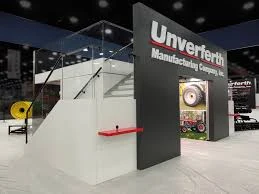
The Tampa Convention Center's exhibit hall, detailed by Visit Tampa Bay as a 200,000 Square Foot area capable of hosting up to 1,000 10'x10' booths, requires rental exhibit booths that precisely match contracted footprints to optimize visibility and flow. Planners select from standard 10'x10', 10'x20', or larger 20'x20' rental frames, ensuring backwalls, side rails, and counters align with the hall's 30-foot ceiling height for overhead graphics without clearance issues. This venue's waterfront location influences load-in paths, so rental kits emphasize lightweight, wheeled components for efficient Truck to Floor transitions through designated docks.
Coordinating booth dimensions involves reviewing the exhibitor manual for spacing rules, which often mandate 8-foot backwall heights and 4-foot sidewalls to maintain sightlines across densely packed rows. Rental providers configure tension fabric systems or truss frameworks that dismantle into compact cases, facilitating storage between Tampa shows. For perimeter booths along the hall's edges, rentals incorporate taller 10-foot structures to capitalize on adjacent walls, while island positions demand freestanding 20'x20' or 20'x40' rentals with central towers for 360-degree branding.
Adapting Rentals to Florida State Fairgrounds Versatility
At the Florida State Fairgrounds, rental exhibit booths must flex across indoor halls like the Expo Hall, TECO Arena, and Entertainment Hall, plus outdoor areas up to 87,000 square feet, as outlined in the venue's rentals section. These spaces suit consumer shows and large expos where rentals provide weather-resistant fabrics for semi-outdoor setups and heavy-duty flooring for arena floors. Planners prioritize modular rental systems that reconfigure from linear 10'x30' inline displays to 30'x30' islands, matching the fairgrounds' range without overbuilding.
Venue workflows route through Event Rentals and promoter portals, so booth specs confirm compatibility with house rigging for lighting and sound. Rental exhibit booths here often feature reinforced bases for equestrian-adjacent vibrations and quick-setup towers for high-traffic entertainment zones. Dismantle efficiency is critical given the fairgrounds' multi-event calendar, with rentals packing into skids for prompt removal post-show.
Tampa's east-side logistics corridor benefits from rentals' portability, allowing transport from fairgrounds to downtown without specialized rigging. Coordinators verify floor load capacities in advance, selecting aluminum extrusion rentals that distribute weight evenly across concrete surfaces.
- Expo Hall configurations for mid-sized trade layouts.
- TECO Arena setups leveraging arena-scale footprints.
- Outdoor adaptations with UV-stable rental graphics.
Utility Integration in Rental Booth Designs
Tampa venues like the Tampa Convention Center provide electric, water, and compressed-air hook-ups directly in the exhibit hall, prompting rental booth planners to incorporate accessible panels and conduits within backwall frameworks. These 600,000 Square Foot facilities demand rentals with pre-wired LED lighting strips and power distribution bars rated for 20-amp circuits, avoiding overloads during peak demo hours. Water lines suit interactive displays, while air hook-ups power pneumatic product reveals smoothly.
In Right to Work Florida, exhibitors confirm utility orders through the show organizer early, integrating rental booth schematics with venue blueprints. For Florida State Fairgrounds halls, where services follow venue-managed channels, rentals include standalone generators as backups, with hoses and adapters for inconsistent provisions. This preparation sustains demo stations across 5,000 to 87,000 Square Foot spaces without interruptions.
Rental designs evolve with Tampa's show diversity, embedding AV mounts for conference tie-ins at Westshore hotels or casino-adjacent events at Seminole Hard Rock. Planners map cable runs under skirted tables, ensuring compliance with fire marshal walks common in multi-booth halls.
Modular Design Flexibility for Tampa Show Themes
Rental exhibit booths shine in Tampa's varied events by offering swappable graphic panels and interchangeable counters that refresh branding between conventions without full redesigns. At the Tampa Convention Center, where 1,000-booth densities demand standout visuals, rentals deploy SEG fabric prints for curved walls and hanging signs up to 30 feet high. This modularity supports shifts from tech expos to healthcare gatherings across downtown clusters.
Florida State Fairgrounds' consumer focus favors rentals with durable vinyl wraps resistant to foot traffic in 87,000 Square Foot outdoor zones. Coordinators select truss kits for lighting grids, adapting to equestrian rings or arena stages via bolt-on extensions. Tampa's planning hubs like Visit Tampa Bay emphasize RFP coordination, so rentals include digital asset libraries for quick theme pivots.
In Channel District or Ybor City off-sites, compact rental pods fit Straz Center receptions or Tampa Museum of Art galas, with foldable pedestals for artifact-style product displays. This versatility minimizes shipping volumes, aligning with airport-adjacent Westshore logistics.
- Fabric tension systems for rapid re-graphic.
- Truss-based lighting adaptable to ceiling grids.
- Counter units with integrated storage and tech.
Installation and Dismantle Logistics in Tampa Venues
Florida's Right to Work status allows exhibitors to sequence rental booth installs via show-approved crews, coordinating with Tampa Convention Center's on-floor services for hall access during designated windows. Rentals prioritize tool-less assembly, with numbered connectors speeding 10'x20' setups to under two hours amid 200,000 Square Foot crowds. Load-in realities factor riverfront docks and elevators, favoring cart-based rental components over pallet jacks.
At Florida State Fairgrounds, Event Rentals guide dismantle timelines, where rentals' stackable crates enable same-day floor clears from TECO Arena. Planners schedule around catering transitions, using protective padding on rental edges to safeguard adjacent booths. Tampa's venue clusters require flexible crews versed in Downtown to Fairgrounds hauls, emphasizing pre-labeled cases for error-free reassembly.
Post-event audits confirm rental integrity, with Tampa organizers mandating clean floors before penalties. This process streamlines transitions to Westshore conferences or east-side casinos, preserving rental assets for repeat Tampa circuits.
Budget Optimization Through Rental Strategies
Rental exhibit booths control costs in Tampa's competitive show market by eliminating storage fees and maintenance, with per-event pricing scaling to booth size and duration. For Tampa Convention Center's large-scale draws, a 20'x20' rental package covers framing, graphics, and basic lighting under budgets strained by 1,000-booth freight. Planners negotiate volume discounts for multi-space rentals across Water Street hotels.
Florida State Fairgrounds' variable spaces reward rentals' Pay Per Use model, avoiding investments in underutilized outdoor gear. Coordinators bundle utilities and AV into rental quotes, offsetting venue markups on electric hook-ups. Tampa's open-market labor keeps install bids competitive, focusing spend on high-impact elements like video walls.
Long-term savings accrue from reusable rental cores, refreshed only with event-specific skins. This approach fits Rocky Point roadshows or Harbour Island buyouts, maximizing ROI without asset depreciation.
- Tiered pricing by footprint and features.
- Bundled freight and utility provisioning.
- Reusable cores minimizing graphic waste.
Compliance and Venue Rule Navigation
Tampa exhibitors navigate rentals within Florida's Right to Work framework by submitting booth plans to organizers for approval, ensuring alignment with Tampa Convention Center's utility and safety specs. Venue sections highlight show offices and cafes in the hall, signaling structured service coordination over ad-hoc setups. Rentals incorporate flame-retardant fabrics and weighted bases meeting wind codes for fairgrounds outdoors.
Florida State Fairgrounds' FAQ and promoter portals enforce pre-event confirmations, where rentals detail load-in vehicles and crew manifests. Planners address potential union cues at house-provided functions without assuming labor exclusivity, verifying via exhibitor manuals.
Across Tampa's clusters—from South Tampa conferences to Brandon expos—rentals standardize to universal compliance, easing RFP responses through Visit Tampa Bay's meetings hub.